

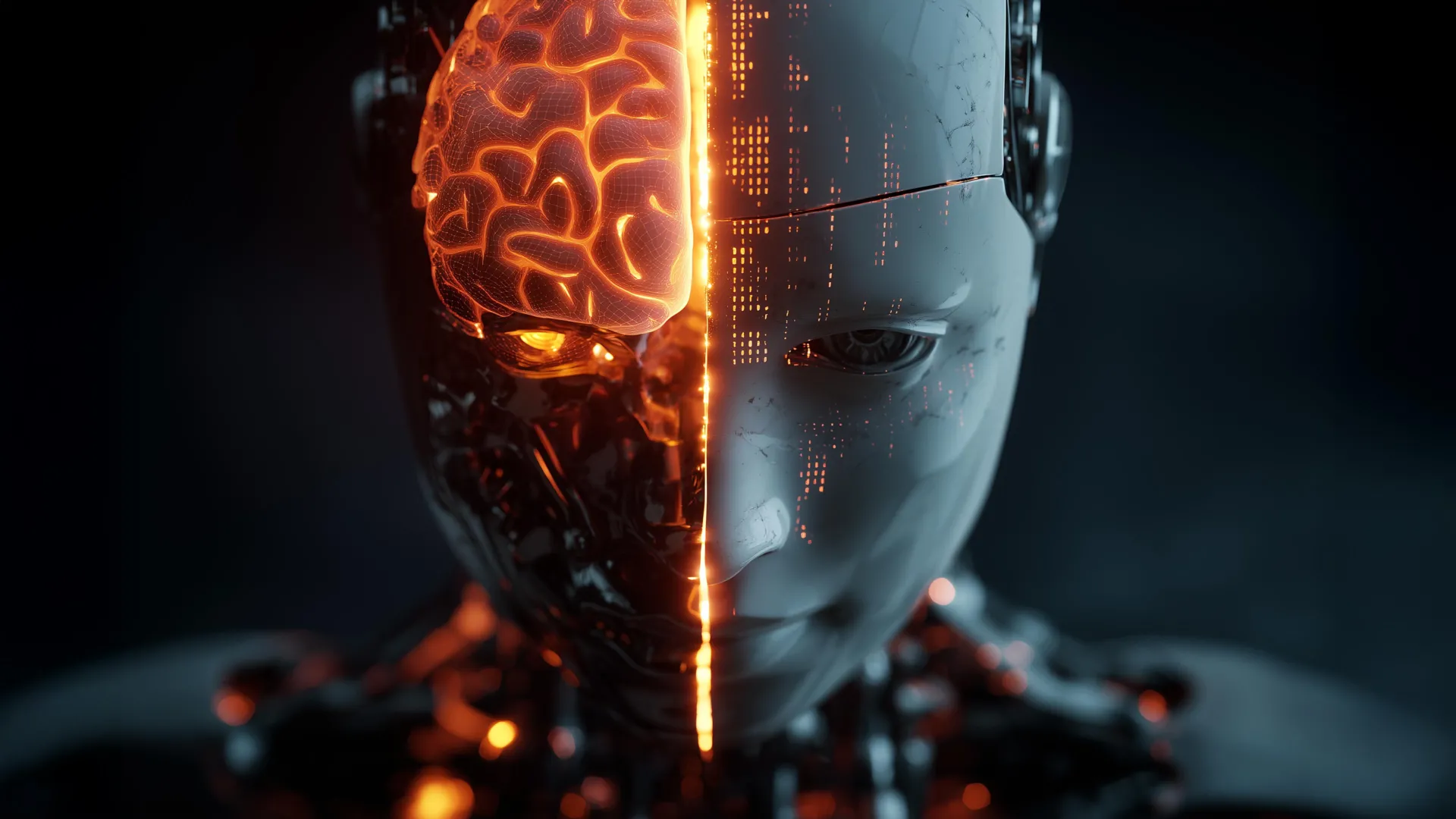
Researchers at York University have identified a significant gap between how artificial intelligence and the human brain process visual information, challenging assumptions that have guided neuroscience research for over a decade. The study, led by Assistant Professor Kohitij Kar, examined whether the relationship between AI systems and brain activity works bidirectionally. While artificial neural networks have become prominent tools in neuroscience due to their ability to predict patterns of neural activity, the research questions whether this predictive success indicates functional similarity.
The research team developed a methodology called reverse predictivity testing to evaluate the relationship from both directions. Rather than only measuring how well AI could predict brain cell activity, they investigated whether recorded brain activity could predict what occurred inside the AI models. The team analyzed responses to 1,320 natural photographs and synthetic images depicting ten familiar objects in various backgrounds and visual styles, including outlines, drawings, and artistic interpretations. This comprehensive approach revealed a critical asymmetry in the relationship between artificial and biological vision systems.
The findings demonstrated that while AI models successfully predicted neuronal responses, the reverse was not equally true. Brain activity proved far less effective at predicting many internal features of the AI systems. Notably, this disconnect did not occur when comparing neuronal activity between different primate brains, suggesting a fundamental difference in how artificial and biological systems operate. According to the researchers, AI systems can produce results resembling brain output while relying on entirely different internal mechanisms and processing strategies.
These results carry substantial implications for neuroscience and clinical research. If scientists continue refining AI models based solely on their predictive accuracy for neural activity, the internal differences between these systems and actual brains could accumulate, ultimately undermining their value as tools for understanding brain function. The concern extends to multiple research areas beyond vision, including studies of hearing, language, movement, and conditions such as post-traumatic stress disorder and autism, where similar AI models are already employed to guide research and clinical applications.
Article Attribution | Read More at Article Source
Article summary produced by Claude AI