

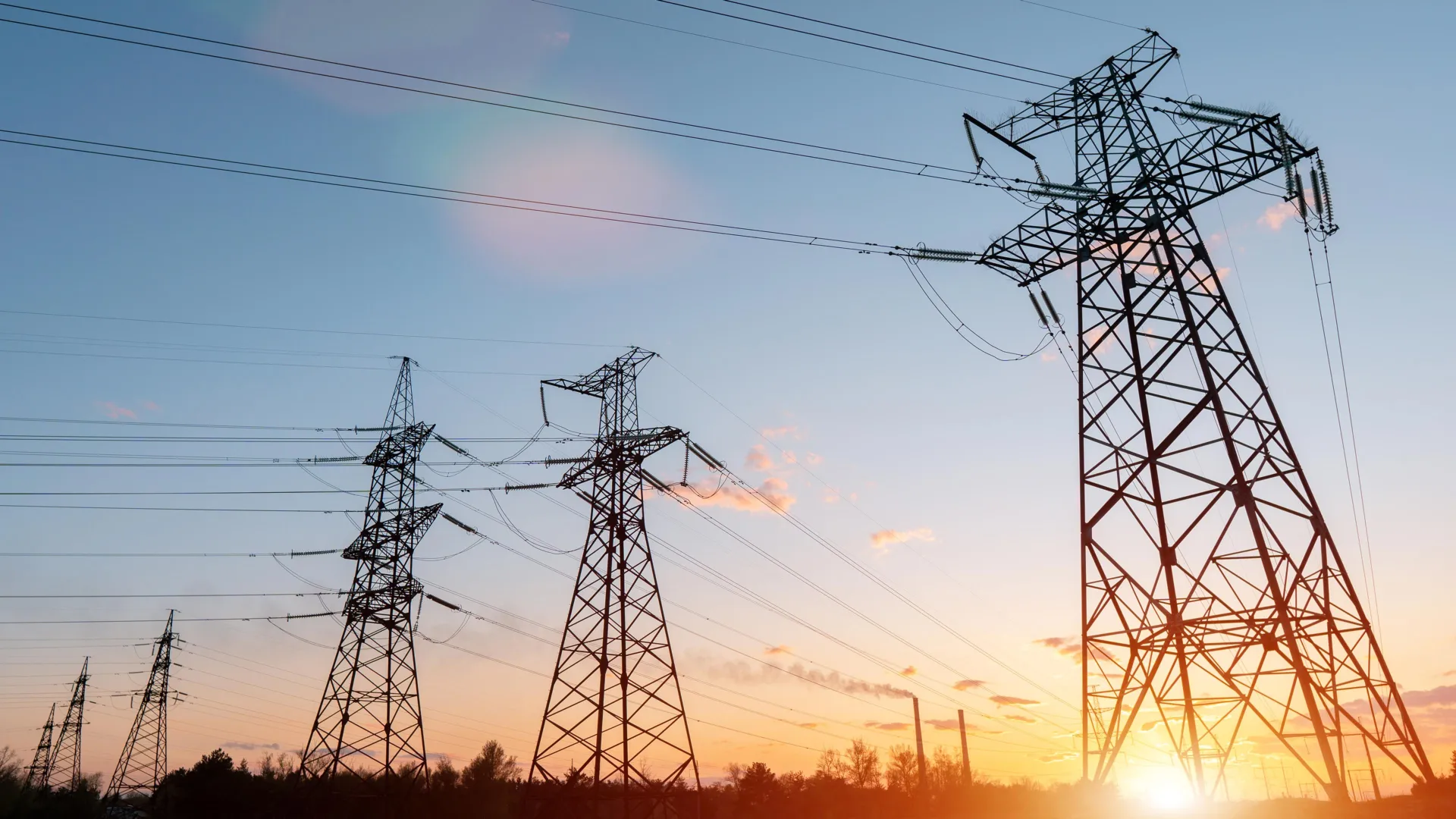
Energy infrastructure analysts from Carnegie Mellon University and the University of California San Diego have published research identifying a critical transmission capacity crisis facing the American electricity system. The continental United States currently adds approximately 500 miles of high-voltage transmission lines each year, but research indicates the nation requires roughly 5,000 miles annually to meet projected demand increases driven by electric vehicle adoption, industrial electrification, and data center expansion. This construction rate represents only one-tenth of what experts consider necessary to triple the interregional transmission network by 2050.
According to the researchers, expanding high-voltage transmission infrastructure offers substantial benefits including reduced electricity costs, improved grid reliability, and reduced blackout risks through better regional connectivity. However, the expansion efforts have encountered persistent obstacles. The authors identify political and regulatory fragmentation as the primary barriers rather than technological limitations. Decision-making authority is distributed across federal agencies, state governments, local jurisdictions, and private utilities, each with distinct priorities. Electric utilities may resist interconnection projects that could increase regional competition and reduce their market control, even when such projects would benefit the broader electrical system.
To address this crisis, the researchers propose a three-part reform strategy. First, federal agencies including the Federal Energy Regulatory Commission and Department of Energy should more aggressively exercise existing legal authorities while deploying advanced transmission technologies. Options include reconductoring existing lines with higher-capacity materials and implementing High-Voltage Direct Current systems, which could double or triple grid capacity. Underground HVDC cables installed along highways and railroad corridors could potentially circumvent typical land-use disputes.
Second, the researchers recommend studying international approaches to transmission development, particularly from countries that have successfully deployed HVDC infrastructure and coordinated regional electricity networks. They suggest establishing an international forum for regulatory exchange modeled through organizations like the National Association of Regulatory Utility Commissioners.
Third, the authors propose creating a Presidential-Congressional Transmission Commission following the model of previous bipartisan commissions to negotiate solutions to political deadlocks. This body would recommend legislative reforms, evaluate expanding FERC authority, and develop financial incentives for transmission development and community hosting of infrastructure.
Article Attribution | Read More at Article Source
Article summary produced by Claude AI