

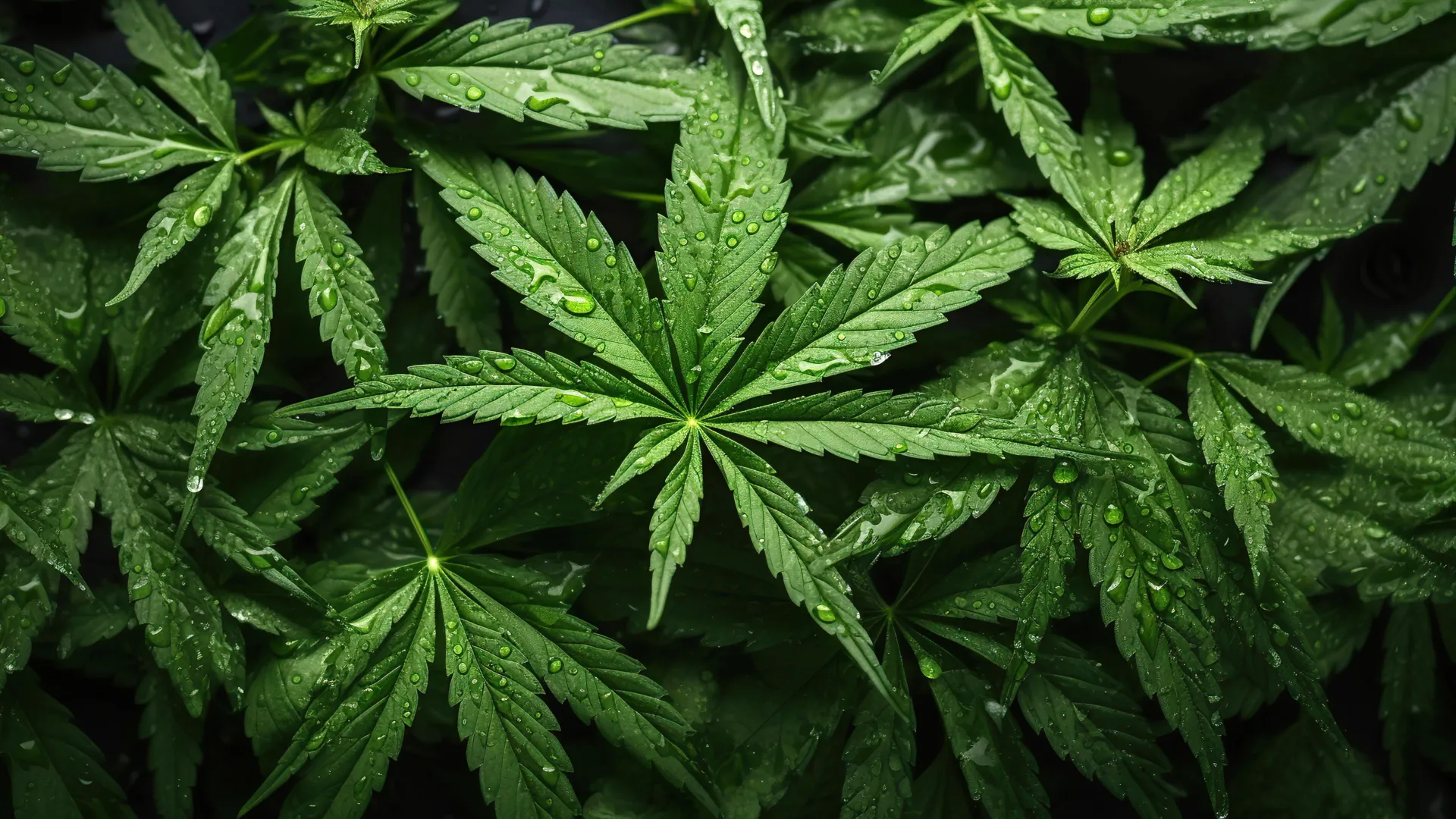
Researchers have identified the oldest directly dated archaeological evidence of cannabis consumption for its intoxicating effects, stemming from an elaborate burial site in the Republic of Tyva in southern Siberia. An international team led by Dr. Gino Caspari from the University of Bern and the Max Planck Institute of Geoanthropology examined the tomb, which belonged to prominent members of the Scythian culture, a group known for their horseback riding skills across the Eurasian steppe.
During excavation, the team recovered approximately 1,000 cannabis seeds from the burial chamber. Radiocarbon dating of six individual seeds, combined with additional dating evidence, indicates the seeds were deposited during the early eighth century B.C. The researchers also analyzed preserved human hair samples from the central burial chamber and identified chemical signals consistent with cannabinol (CBN), a compound formed when THC undergoes oxidation. Weaker signals matching the mass of THC were also detected, suggesting the buried individuals had consumed cannabis.
While the seed presence and chemical traces provide compelling evidence of cannabis use, the researchers acknowledge limitations in their findings. They cannot determine the potency of the ancient plants, the consumption method, or the quantity consumed. The hair analysis indicates intoxication likely occurred, but specific details about how cannabis was prepared or administered remain unclear. The team is now conducting genetic analysis on the preserved plant material to gain further insights into cannabis domestication and cultivation practices.
The cannabis evidence emerged within a remarkably elaborate ceremonial burial site featuring extensive horse sacrifices and evidence of human sacrifice, suggesting the plant played a significant role in Scythian funeral rituals. The discovery, published in the journal Science, provides important new perspective on the historical relationship between ancient communities and psychoactive plants. The team plans to sequence genetic material from the ancient plant remains to better understand the domestication history and geographic spread of cannabis across thousands of years.
Article Attribution | Read More at Article Source
Article summary produced by Claude AI