

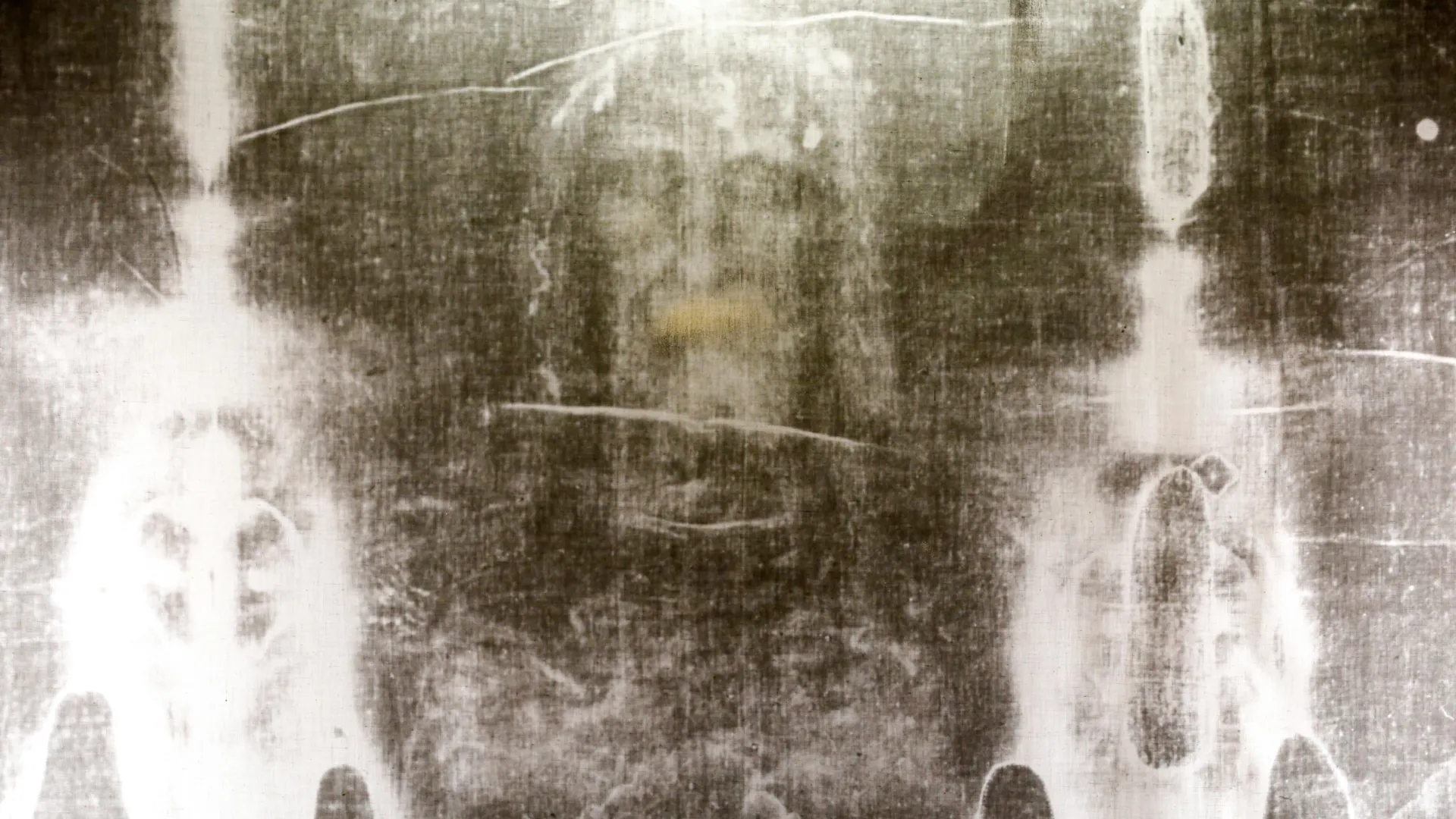
Researchers have analyzed DNA recovered from the Shroud of Turin, one of the world’s most debated religious artifacts, using advanced genetic sequencing technology. The study, published in Scientific Reports, examined samples collected from the cloth in 1978 and applied sophisticated metagenomic sequencing techniques to identify genetic material preserved within the linen fibers. Unlike traditional DNA testing, this approach can detect genetic material from multiple species within a single sample, making it particularly useful for studying historical objects that have been handled and stored over extended periods.
The analysis revealed a remarkably diverse collection of biological material accumulated on the cloth. Researchers identified multiple lineages of human mitochondrial DNA, suggesting genetic contributions from different human populations. The study also uncovered an unexpectedly complex microbiome, including bacteria commonly found on human skin, various fungi, and microorganisms adapted to salty environments, as well as certain archaea that thrive in extremely saline conditions.
Beyond microbial life, scientists detected genetic traces from numerous plant and animal species. Plant DNA included cultivated wheat, carrots, maize, bananas, and peanuts, while animal genetic material encompassed cattle, pigs, chickens, dogs, and cats. Notably, researchers also identified DNA associated with Mediterranean red coral, adding to the cloth’s complex biological profile.
The researchers emphasized that while the findings provide unprecedented insight into the Shroud’s biological history, the DNA evidence cannot establish the cloth’s age or authenticity. Because the fabric has been touched and exposed to different environments over many centuries, its genetic material represents a mixture of biological traces deposited at various times, making it impossible to reliably distinguish any original DNA from later contamination. The research demonstrates how modern forensic genomics and proteomics can reveal information that traditional investigative methods might overlook, offering new approaches to understanding how historical objects have been preserved and handled across generations.
Article Attribution | Read More at Article Source
Article summary produced by Claude AI