

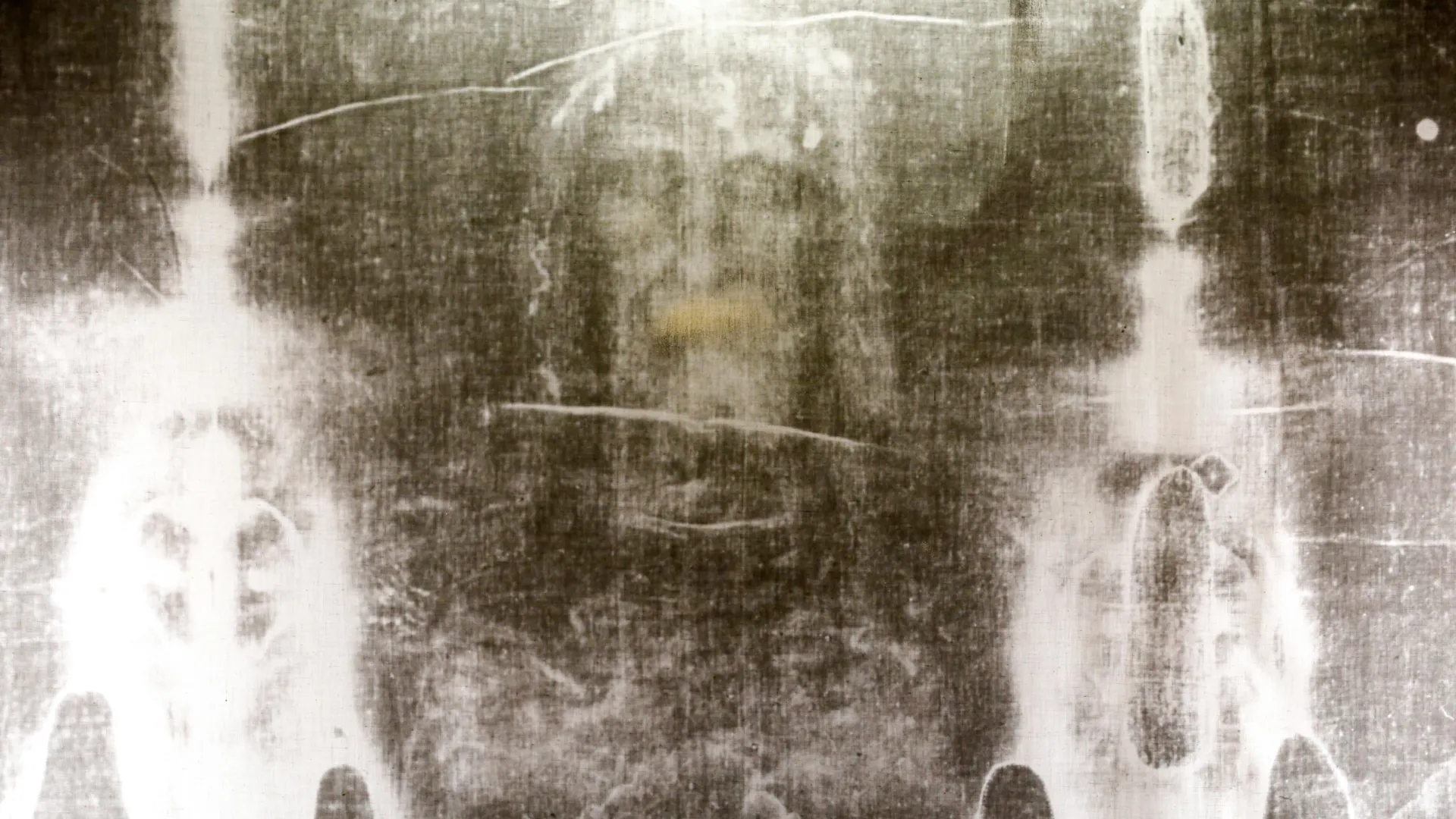
An international research team has published findings in Scientific Reports detailing the discovery of diverse DNA traces within the Shroud of Turin, one of Christianity’s most studied artifacts. The analysis employed metagenomic sequencing technology on samples officially collected approximately 50 years ago, allowing researchers to identify genetic material from multiple organisms within the linen fibers with unprecedented precision. This sophisticated technique differs from traditional DNA testing by detecting genetic material from numerous species simultaneously, making it particularly suitable for examining historical objects exposed to varied environmental conditions over extended periods.
The genetic analysis revealed multiple lineages of human mitochondrial DNA, indicating that material from different human populations has accumulated on the cloth throughout its history. Beyond human genetic traces, researchers identified a diverse microbial community including bacteria typically found on human skin, various fungi, and archaea capable of surviving in extremely salty environments. The findings extend to macroscopic organisms as well, with plant DNA from wheat, carrots, maize, bananas, and peanuts detected alongside genetic material from domesticated animals including cattle, pigs, chickens, dogs, and cats. Notably, the analysis also uncovered DNA associated with Mediterranean red coral, adding to the biological complexity of the artifact.
Researchers emphasized that while the discoveries provide valuable insights into the Shroud’s environmental and handling history, the DNA evidence cannot definitively establish the cloth’s age or authenticity. The centuries of human contact and environmental exposure mean the genetic material represents a mixture accumulated at different time periods, making it impossible to reliably distinguish original material from more recent contamination. However, the study demonstrates how contemporary forensic genomics and proteomics techniques can extract information from historical samples that traditional methods might overlook, offering new approaches for investigating how artifacts have been preserved and handled across generations.
Professor Noemi Procopio of the University of Lancashire, part of the international collaboration, highlighted how advances in forensic technology enable researchers to recover information from samples collected decades previously. She noted that while the DNA evidence cannot resolve all questions surrounding the artifact, it provides novel perspectives on its biological history and exemplifies how cutting-edge forensic science can unlock previously unavailable information from historical objects.
Article Attribution | Read More at Article Source
Article summary produced by Claude AI