

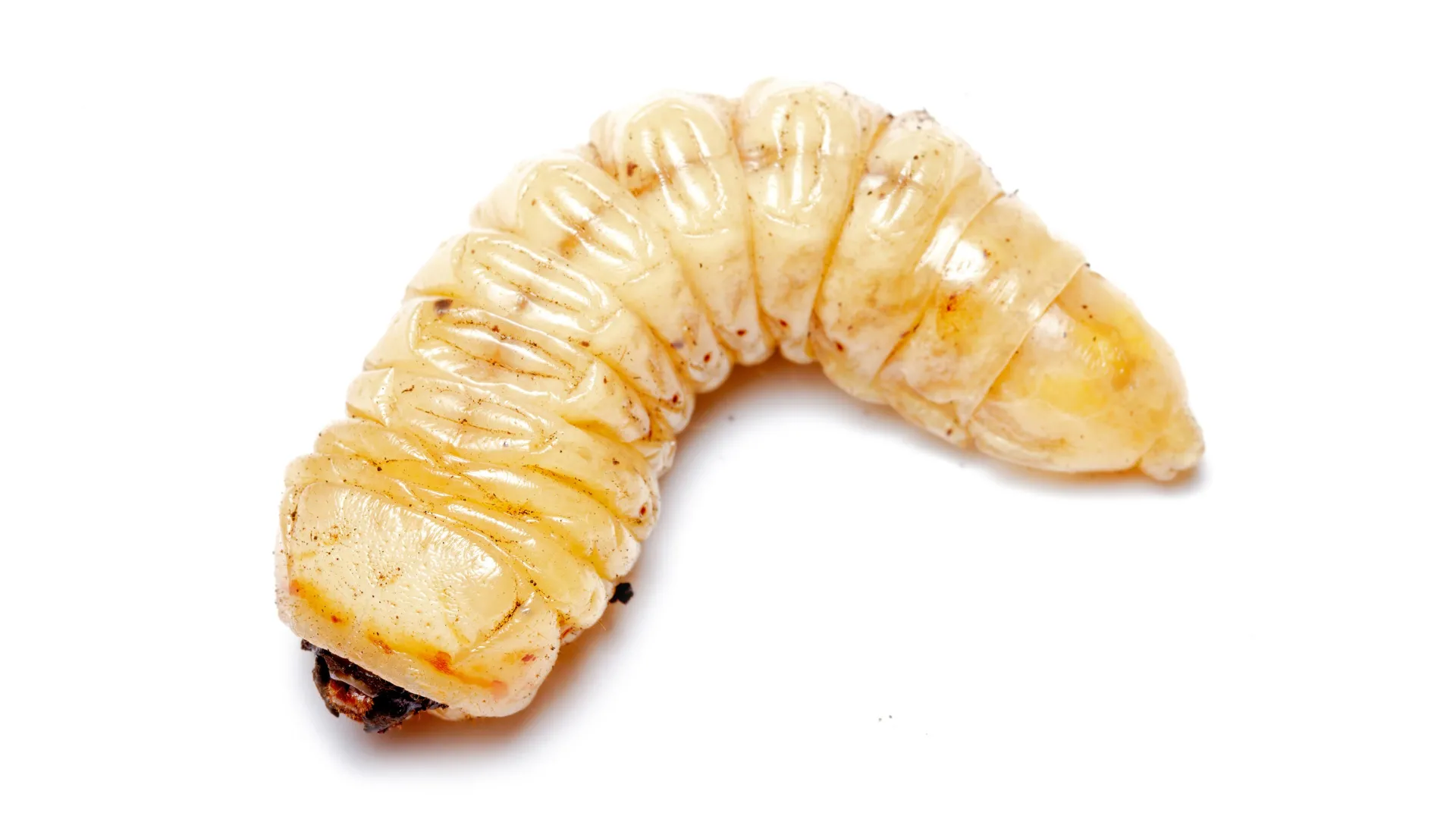
A destructive beetle species has been causing significant damage to blueberry crops in North Carolina, with researchers at North Carolina State University finally identifying the insect as Prionus imbricornus, a longhorn beetle characterized by elongated antennae. The larvae of this species feed on plant roots and can grow to approximately five inches in length, potentially killing blueberry bushes through extensive root tissue destruction.
Problems associated with unidentified Prionus larvae attacking blueberry roots were first documented in 2010, but confusion about the exact species involved hampered efforts to develop appropriate management strategies. The difficulty arose from the insects’ subterranean lifestyle, which makes them hard to locate and study, combined with the visual similarity between larvae of different longhorn beetle species. Kenneth Geisert, the graduate student leading the research, noted that this uncertainty created risks of applying ineffective treatments or damaging non-target insects through inappropriate pest management approaches.
To resolve the identification challenge, researchers conducted fieldwork at six blueberry farms across multiple North Carolina counties. They deployed black panel traps containing sex pheromones to attract adult beetles and employed genetic barcoding, a DNA analysis technique that compares standardized DNA sequences against reference libraries of known species. The testing produced matches of 98 to 99 percent with P. imbricornus, confirming the beetle’s identity.
While identification represents a critical advancement, the discovery also reveals a pressing challenge for growers. North Carolina is the first state to document P. imbricornus infesting blueberries, and no insecticides are currently labeled for controlling this pest on blueberry crops. Assistant extension professor Lorena Lopez has initiated testing of potential insecticide treatments, with particular emphasis on identifying optimal application timing that aligns with the beetles’ reproductive cycles to prevent larval development and root damage. If successful, such strategies could provide farmers with practical tools for protecting their crops against this emerging threat.
Article Attribution | Read More at Article Source
Article summary produced by Claude AI