

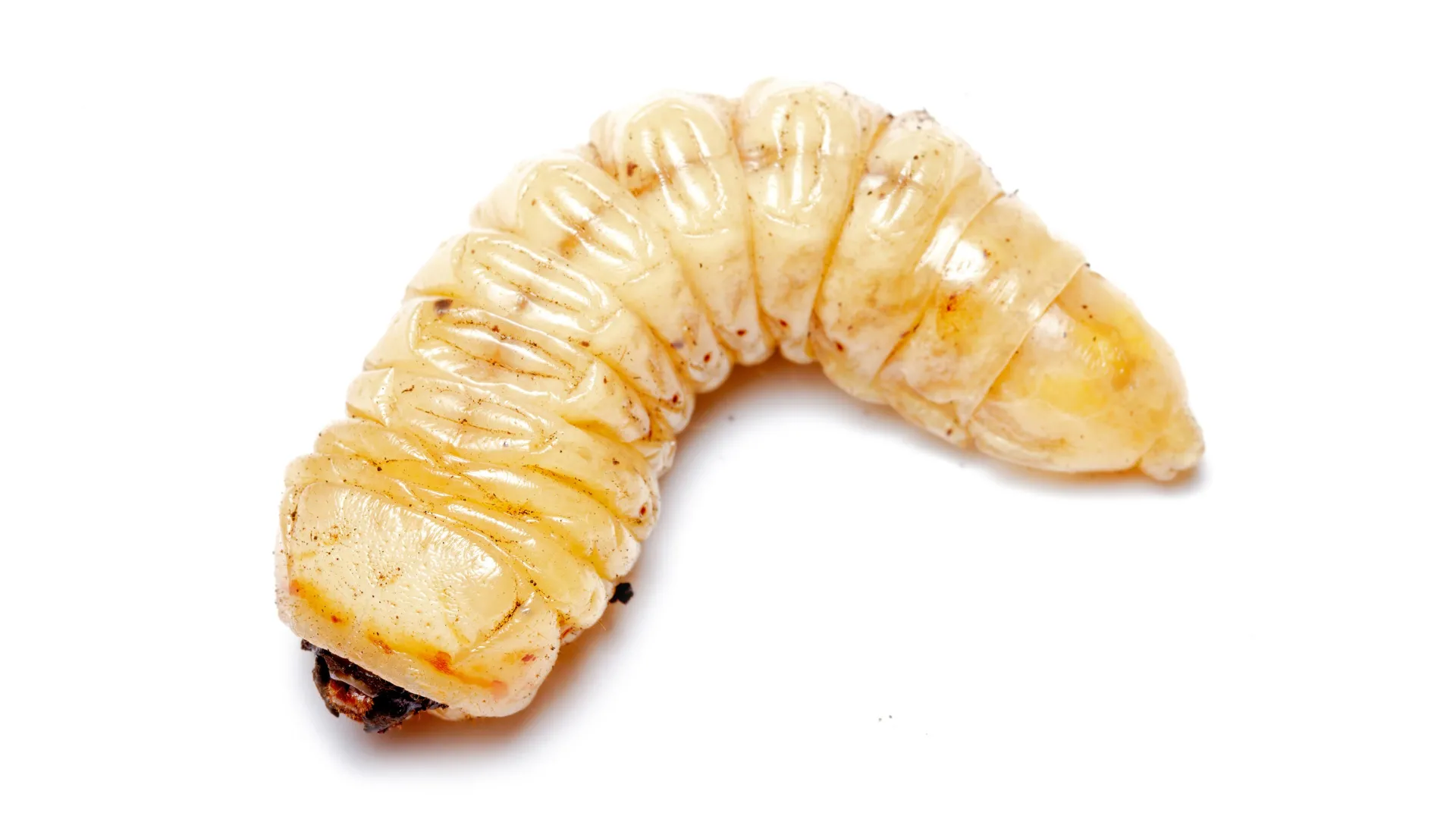
North Carolina’s blueberry industry faces an emerging pest problem from a wood-boring beetle that operates primarily underground. Researchers at North Carolina State University have identified the culprit as Prionus imbricornus, a longhorn beetle recognized by its distinctive long antennae. The larvae of this species can grow to five inches in length and damage plant roots severely enough to kill blueberry bushes, while adult beetles do not feed.
The documentation of this beetle damaging blueberries in North Carolina marks the first time the species has been formally linked to this crop. However, agricultural reports indicate similar damage has occurred since 2010, leaving growers without a clear understanding of what pest they were addressing. The difficulty in identifying the specific beetle species stemmed largely from the insects’ subterranean habitat, making direct observation challenging. Additionally, larvae from different longhorn beetle species share similar physical characteristics, complicating visual identification efforts.
Researchers conducted fieldwork at six blueberry farms across multiple North Carolina counties to resolve the mystery. They deployed traps using sex pheromones to attract adult beetles and employed genetic barcoding, a DNA analysis technique that compares standardized DNA sections against known species databases. This methodology successfully identified the larvae with 98 to 99 percent accuracy as Prionus imbricornus.
The identification, while scientifically significant, reveals a substantial challenge for North Carolina growers. Currently, no insecticides are approved for use against this beetle species on blueberry crops. To address this gap, researchers have begun testing potential insecticide treatments, with particular emphasis on timing applications to coincide with the insects’ reproductive cycles. This approach aims to interrupt larval development before significant root damage occurs. The research team includes assistant extension professor Lorena Lopez, who is leading the insecticide testing initiative, alongside other NC State researchers.
Article Attribution | Read More at Article Source
Article summary produced by Claude AI