

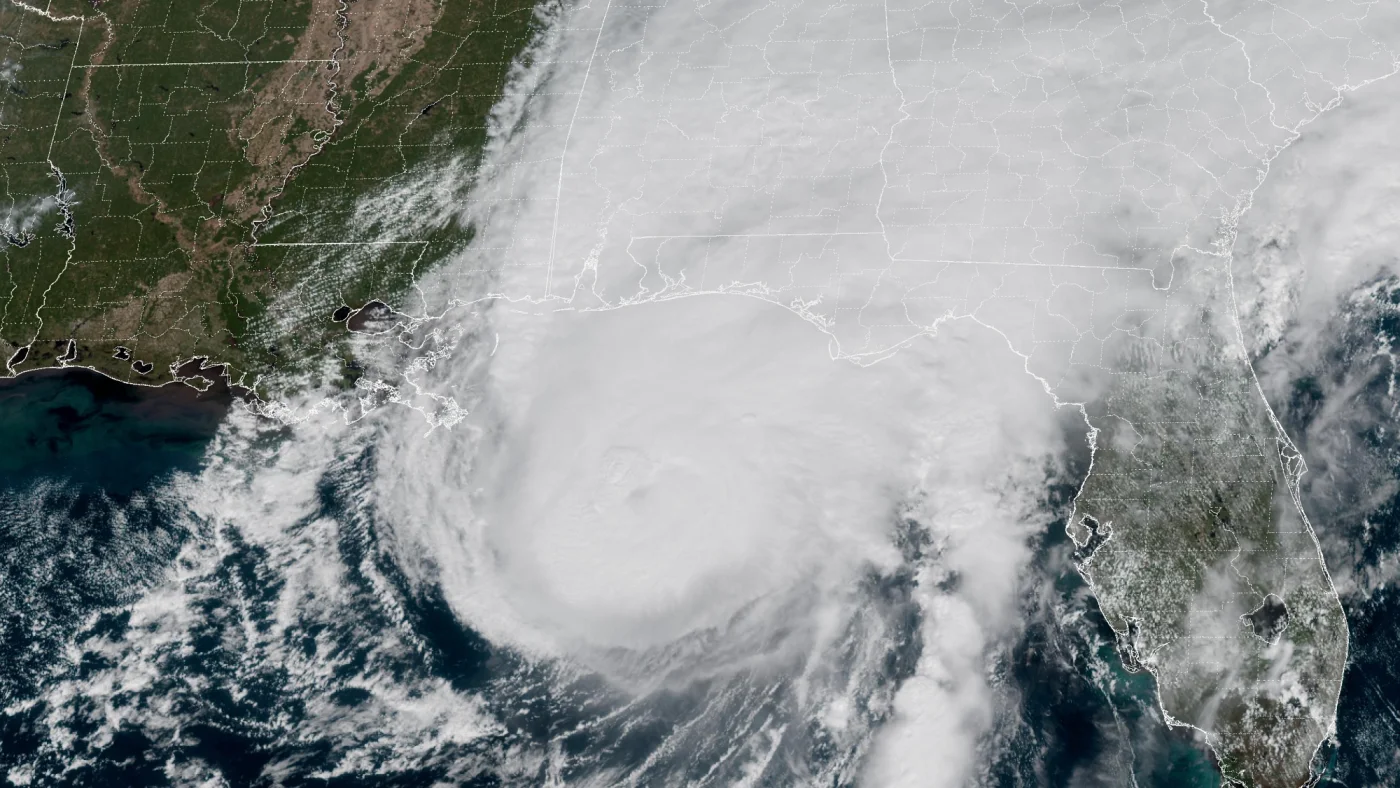
Hurricane forecasters are increasingly incorporating artificial intelligence into their prediction systems, with early results suggesting the technology is significantly advancing the field. When the Atlantic hurricane season’s first storm formed in October, an AI model developed by Google DeepMind successfully predicted that Hurricane Isaias would make landfall near Destin, Florida as a Category 2 storm, while conventional models initially forecast it would travel further west toward southeastern Louisiana.
The National Hurricane Center began officially incorporating the Google DeepMind model into its forecasts last year. By the end of the 2025 Atlantic hurricane season, it had already become one of the most accurate models available. Experts note the rapid advancement is unusual—most new forecasting models require years of refinement before achieving top performance, but this AI system performed at an elite level almost immediately upon introduction.
The AI approach differs fundamentally from traditional physics-based models. Conventional systems use real-time atmospheric data such as temperature, humidity, and wind patterns to apply complex equations for predictions. AI models instead rely on pattern recognition, analyzing thousands of historical storms to identify trends. This fundamental difference creates challenges for meteorologists, who often cannot fully understand why the AI reaches particular conclusions—a phenomenon referred to as the “black box” problem.
Despite its strengths, the Google DeepMind model has limitations. While it excelled at tracking Hurricane Isaias’s path, it underperformed compared to the National Hurricane Center’s blended forecast when predicting storm intensity. The National Hurricane Center continues to use multiple proven models—both AI and traditional—when issuing official forecasts, with human forecasters interpreting results and providing continuity in guidance. Forecasters provide regular feedback to Google DeepMind to support ongoing improvements.
The advantage of AI-based forecasting extends beyond accuracy. Unlike traditional models that receive annual updates, AI systems can be refined over weeks or months, allowing for advancement in predictive skill at a pace that would take traditional approaches a decade or more to achieve.
Article Attribution | Read More at Article Source
Article summary produced by Claude AI