

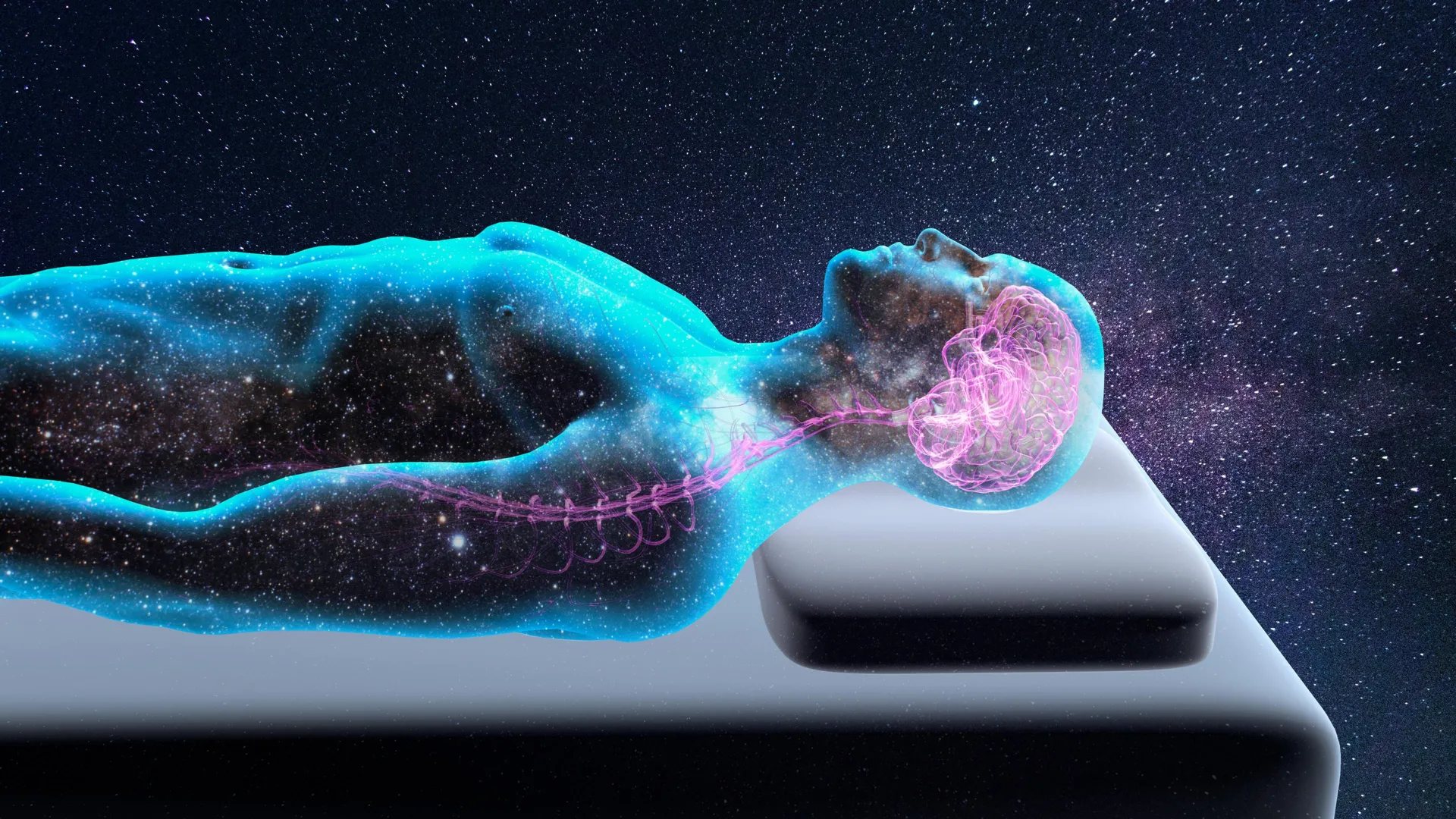
Scientists at the University of Basel in Switzerland have pinpointed specific brain cells that generate the pressure to sleep, advancing understanding of how the brain regulates rest needs. The research team, led by Professor Alex Schier at the Biozentrum in collaboration with Beth Israel Deaconess Medical Center and Auburn University, studied brain activity patterns in mice under varying conditions including normal sleep-wake cycles, sleep deprivation, and recovery sleep.
The investigators identified two types of neurons in the brainstem—GABAergic and serotonergic cells—that showed increasing activity the longer mice remained awake. These neurons then decreased their activity once the animals fell asleep. To determine whether these cells merely tracked wakefulness or actively created sleep pressure, researchers conducted targeted manipulation experiments. Artificially activating both neuron groups caused mice to sleep longer and more deeply, mimicking natural recovery sleep patterns. Conversely, inhibiting these neurons substantially reduced sleep, allowing animals to remain awake and alert for extended periods.
In a particularly notable finding, suppressing both neuron groups over an extended timeframe caused mice to sleep approximately 70% less than normal. Remarkably, most of these animals avoided typical behavioral problems associated with severe sleep deprivation, suggesting the identified neurons influence both sleep duration and the intensity of sleep pressure accumulation during wakefulness.
The discovery indicates that specific neural circuits actively regulate the growing need for rest rather than simply responding passively to exhaustion. Researchers now aim to understand how these neurons communicate with other brain regions and what molecular mechanisms enable them to generate sleep pressure. Dr. William Joo, the study’s first author, noted that the team’s ability to modify sleep behavior could facilitate exploration of adaptations to prolonged sleep loss and potentially reveal strategies for enhancing resilience to sleep deprivation and other physiological challenges.
Article Attribution | Read More at Article Source
Article summary produced by Claude AI