

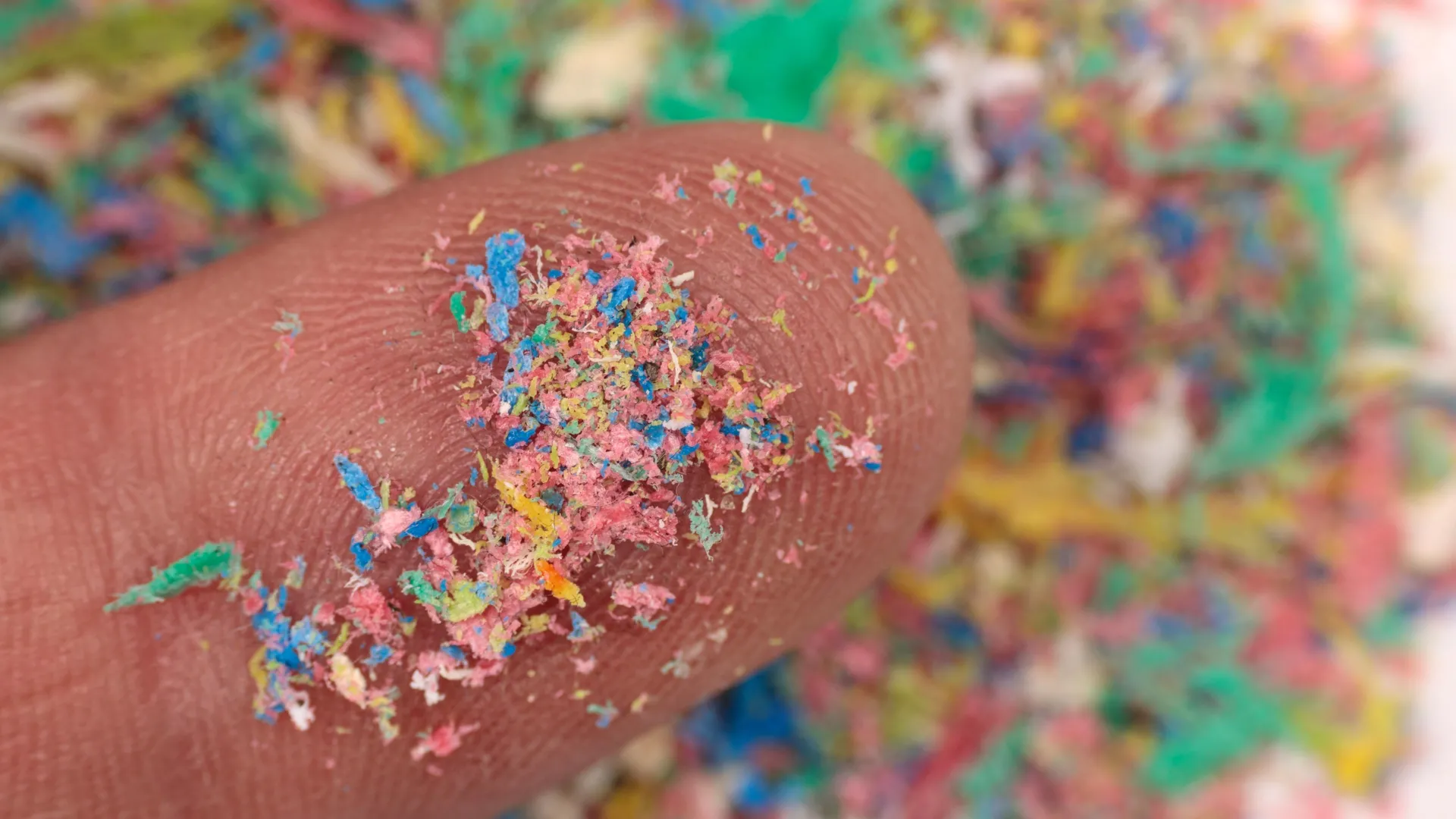
Researchers at Columbia University and UC Berkeley have identified a previously unknown chemical mechanism by which microplastics may cause biological damage. The study, published in Nature, challenges the conventional understanding that plastic fragments remain chemically inert after breaking down. As larger plastic objects fragment into progressively smaller microplastics and nanoplastics, their total surface area increases substantially. The team found that these expanded surfaces interact with water in ways that produce reactive oxygen species, highly reactive molecules capable of damaging cellular and tissue components.
The discovery carries significant implications for human health, particularly given that blood and cellular environments contain substantial amounts of water. When microplastics enter the bloodstream, they may continue generating these harmful reactive molecules within the body. The findings provide a potential explanation for associations researchers have documented between microplastic exposure and serious health conditions, though the new research does not establish direct causation of specific diseases. This work builds on earlier research from the same Columbia laboratory that revealed far higher concentrations of plastic particles in bottled water than previously estimated, drawing increased attention to microscopic plastic contamination in food and drinking water systems.
The research demonstrates that water plays an active role in the reaction rather than remaining passive. Plastics are hydrophobic, meaning they repel water, and interactions at the boundary between plastic surfaces and water molecules create conditions that facilitate electron transfer between chemical species. This process enables the formation of reactive radicals, particularly hydroxyl radicals. As plastic fragments become smaller, their increased surface-to-volume ratio creates more locations where these reactions can occur. UC Berkeley collaborators used theoretical calculations and computer simulations to model these molecular-level interactions.
The findings have emerged amid growing public health concerns about microplastics. In 2026, the federal government established a $144 million initiative addressing toxic microplastics in the human body, and the EPA added microplastics to its list of drinking water contaminants of potential concern. Understanding the chemistry underlying microplastic reactivity could eventually enable development of safer plastic formulations that generate fewer harmful molecules when exposed to water. The implications extend to environmental concerns as well, since microplastics contaminate aquatic ecosystems through industrial and domestic sources.
Article Attribution | Read More at Article Source
Article summary produced by Claude AI