

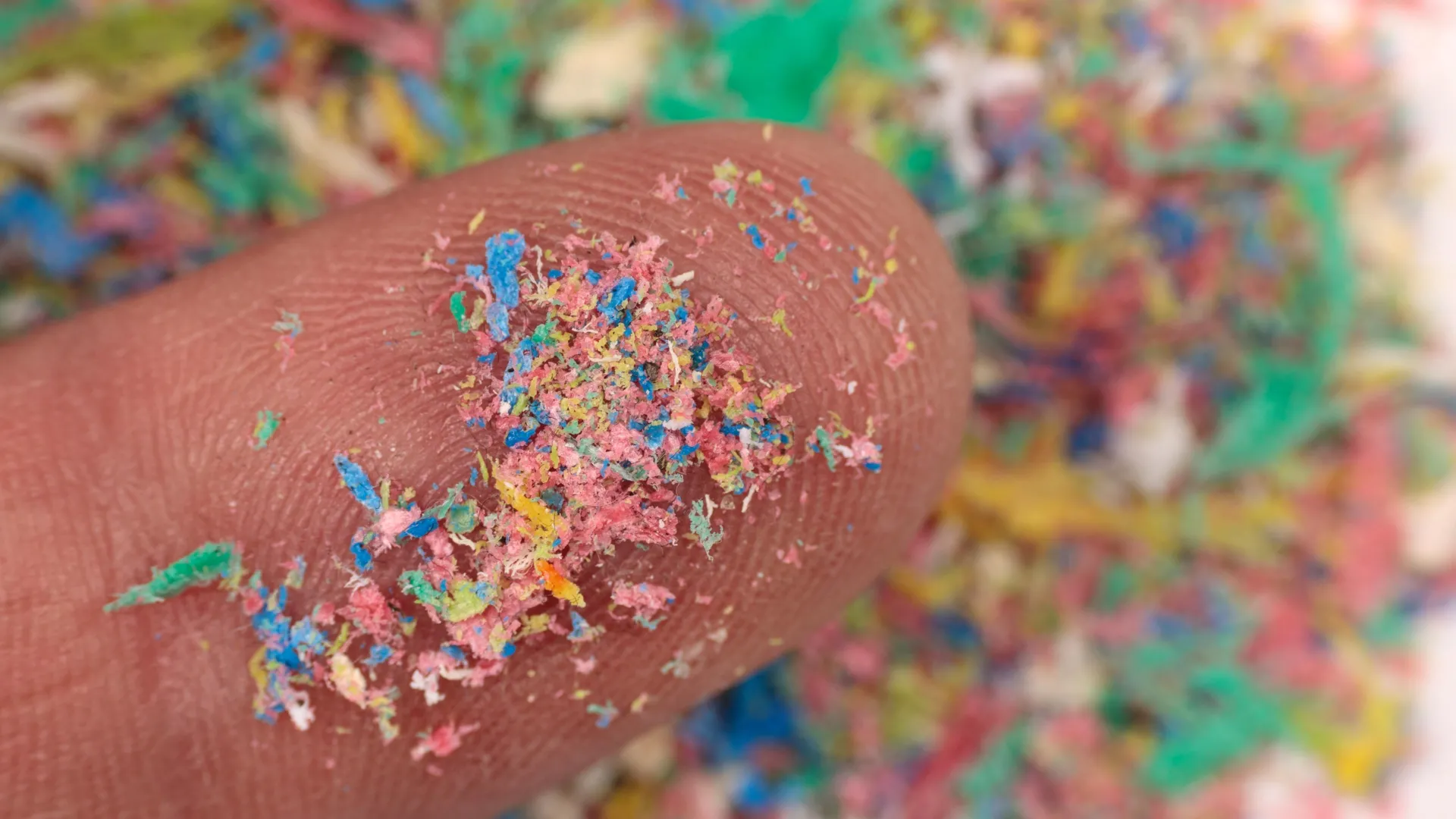
Researchers at Columbia University and the University of California, Berkeley have identified a previously unknown chemical mechanism by which microplastics may cause biological damage. Published in Nature, the study challenges the conventional understanding that plastic fragments remain chemically inert after breaking down into smaller particles. As plastic deteriorates into microplastics and nanoplastics, the dramatically increased surface area of these particles enables new chemical interactions with water and other substances.
The research reveals that when microplastics encounter water—whether in bottled water or in the human bloodstream—they spontaneously generate reactive oxygen species, commonly referred to as ROS. These highly reactive molecules can damage biological structures including cell components and tissues. This discovery provides a potential explanation for health effects observed in studies linking microplastic exposure to serious conditions such as cardiovascular events, strokes, dementia, and other conditions. The findings build on earlier work by the same research team that detected significantly higher levels of plastic contamination in bottled water than previously estimated, drawing increased public attention to the prevalence of microscopic plastic particles in the food and water systems.
The chemical process involves the interaction between water molecules and the hydrophobic, or water-repelling, surfaces of plastic particles. When water contacts these surfaces, electrically charged particles and molecules behave differently than they do in ordinary water, facilitating the movement of electrons between chemical species. This electron transfer enables the formation of hydroxyl radicals and other highly reactive compounds. The computational modeling work conducted by researchers at UC Berkeley demonstrated how negatively charged hydroxide ions concentrate in water layers surrounding plastic surfaces, making them more likely to lose electrons and generate harmful radicals. As plastic fragments continue to break down into smaller pieces, the increased surface-to-volume ratio creates additional locations where these reactions can occur.
The implications of these findings extend across multiple domains. Within the human body, the abundance of water in blood and cells creates conditions favorable for continued microplastic reactivity. Beyond human health, microplastics entering aquatic environments could trigger similar chemical reactions affecting aquatic organisms and ecosystems. The research suggests that understanding these chemical mechanisms may eventually enable the development of redesigned plastics with altered chemical properties that reduce the formation of harmful reactive molecules when exposed to water, offering potential pathways toward safer materials in the future.
Article Attribution | Read More at Article Source
Article summary produced by Claude AI