

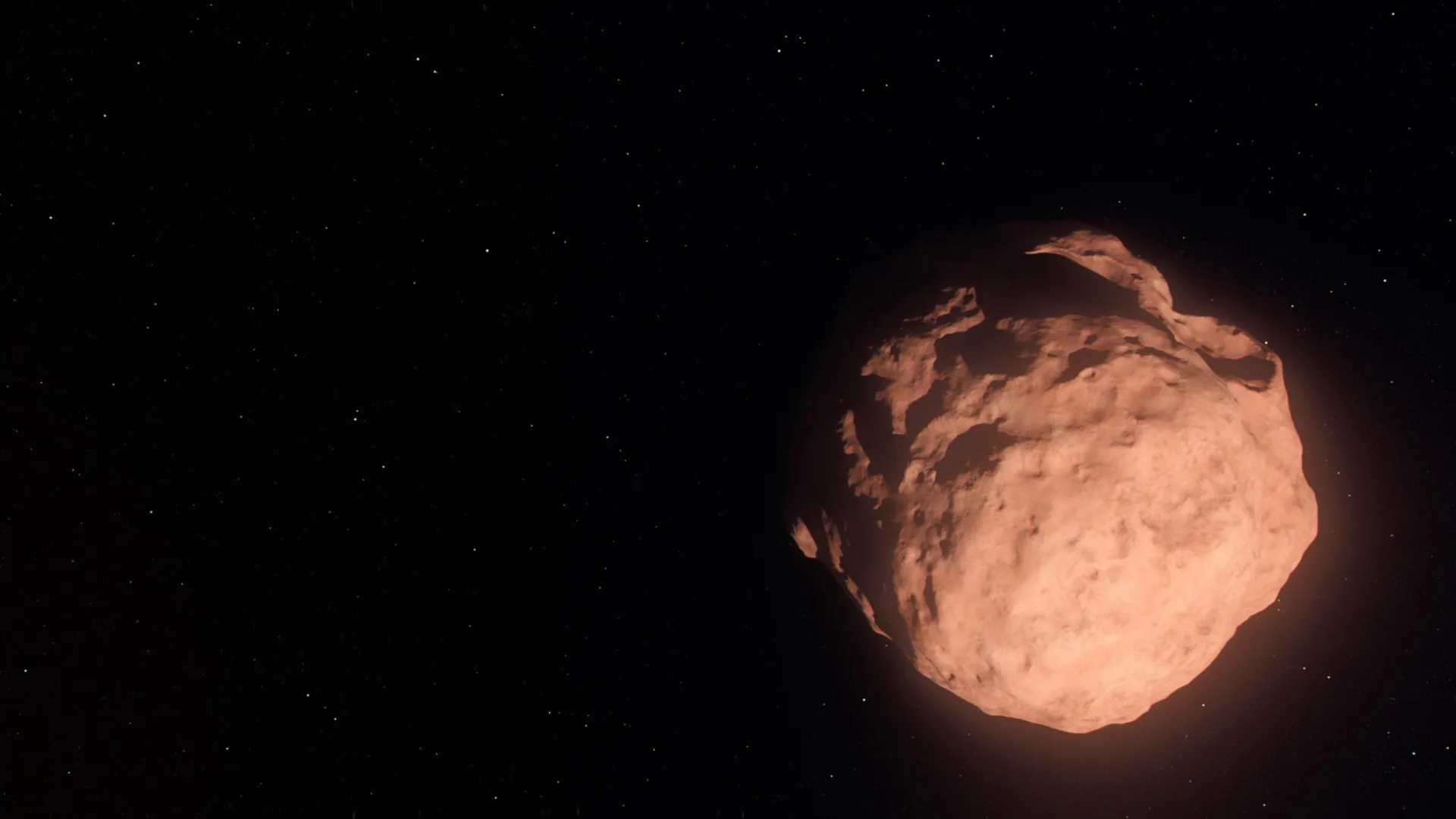
Researchers using NASA’s Hubble and James Webb Space Telescopes have identified 27 previously unknown trans-Neptunian objects (TNOs) in observations of the distant regions beyond Neptune’s orbit. The investigation represents the deepest survey of these small, icy bodies to date and was conducted by research teams led by PhD candidates at the University of Victoria in Canada and Northern Arizona University in Flagstaff. The two space telescopes simultaneously observed the same region of sky, with Hubble capturing visible light and Webb collecting infrared observations, allowing scientists to examine the objects’ colors, estimate their sizes, and study their orbital characteristics.
The research teams examined two distinct populations of TNOs classified by their orbital behavior. Cold TNOs have remained relatively close to their original formation regions and follow circular paths around the Sun. Hot TNOs experienced more turbulent histories, originating between the orbits of Uranus and Neptune before being scattered outward when giant planets shifted during the early solar system’s development. Despite their dramatically different histories, both populations displayed an unexpected similarity: even the smallest newly discovered objects retained surface color characteristics resembling their larger counterparts.
Scientists had anticipated that smaller TNOs would show clear evidence of surface changes from repeated collisions over billions of years, which could have fractured the objects and exposed fresh material. Instead, the observations revealed that both hot and cold TNOs maintained color patterns linked to their formation with surprisingly little apparent change. This preservation of original surface characteristics suggests either that these objects experienced fewer impacts than previously assumed or that their surfaces somehow retain original compositions despite collisions. Researchers have not yet determined which explanation is correct.
The Webb telescope observations also revealed an unexpected shortage of very small TNOs compared with predictions from some existing planet formation models. However, the overall size distributions of both hot and cold TNOs proved remarkably similar, suggesting that planetesimal formation processes may have operated consistently across different early solar system environments regardless of local disk conditions. Understanding this size distribution discrepancy could help scientists refine their explanations of how the solar system’s original planetary building blocks developed and evolved over time.
Article Attribution | Read More at Article Source
Article summary produced by Claude AI