

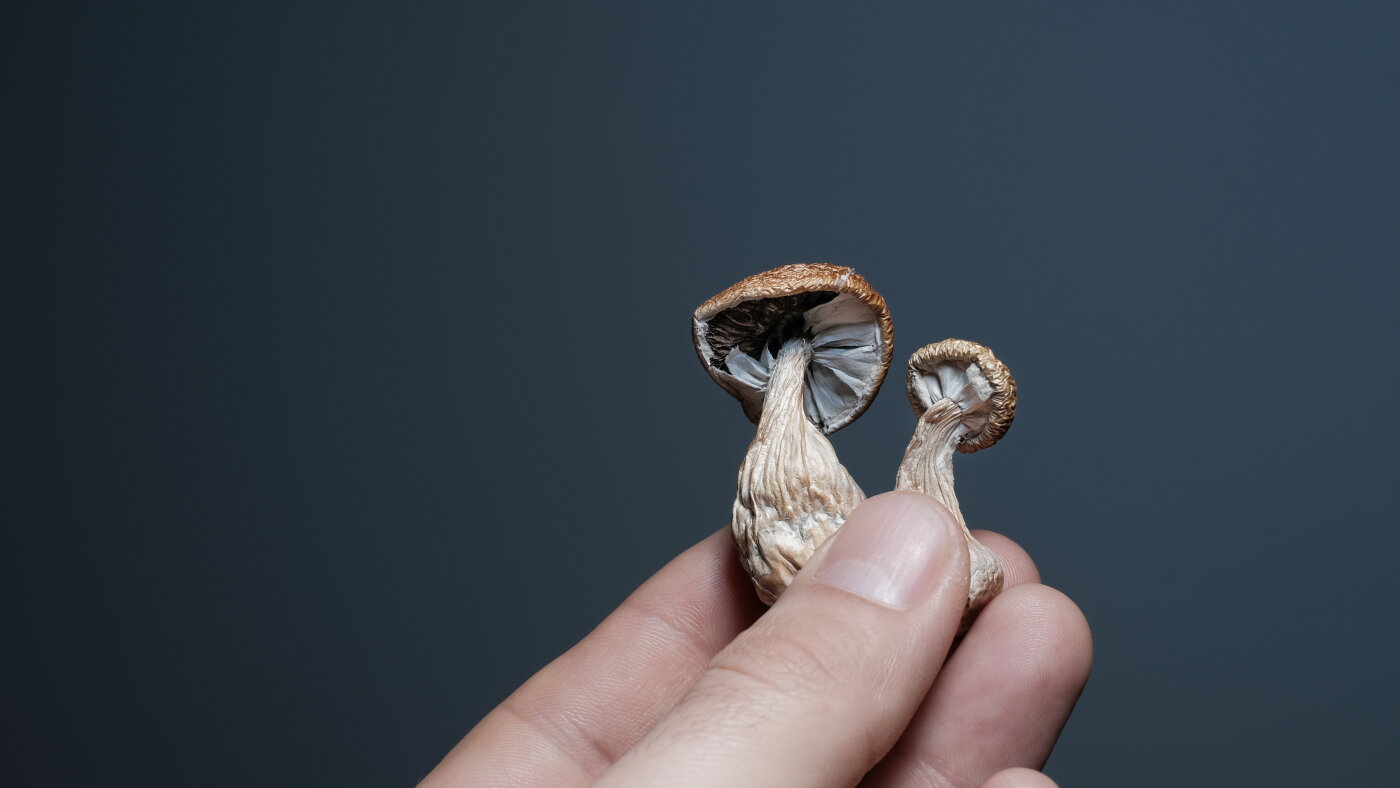
A research team at the University of California, San Francisco has released findings suggesting that psilocybin, a classic psychedelic compound, may help address inflammatory conditions in the body. The study, appearing in JAMA Psychiatry, analyzed blood samples from participants with Parkinson’s disease before and after receiving psilocybin treatment, measuring markers associated with inflammation and cellular stress.
The analysis revealed that study participants showed significantly reduced levels of inflammatory signaling molecules following two psilocybin sessions, with these improvements persisting one month after the final dose. The researchers also observed improvements in blood markers indicating mitochondrial stress immediately after psilocybin administration, though these gains were not sustained during longer-term follow-up assessments. Dr. Ellen Bradley, an associate professor of psychiatry at UCSF involved in the research, characterized the findings as providing an initial biological signal warranting further investigation.
The current analysis drew from a pilot study of 12 participants designed to evaluate the feasibility and safety of administering psilocybin to individuals with neurodegenerative conditions, a population typically excluded from psychedelic trials due to safety concerns. The original pilot study, conducted the previous year, found what researchers described as a promising safety profile and noted apparent improvements in symptoms among participants.
Researchers acknowledged important study limitations, including the absence of a control group and participants’ awareness of receiving the active drug, necessitating confirmation through additional controlled investigations before definitive conclusions can be drawn. Co-author Aoife O’Donovan noted that the objective biological markers showing change over time provide confidence to pursue further research in this direction.
Experts in the field view the findings as significant validation of earlier laboratory work. Charles Nichols, a pharmacology professor whose research fifteen years ago identified anti-inflammatory properties of certain psychedelics in cell cultures, characterized the new human data as proof of principle. Researchers suggest the findings could open avenues for investigating psychedelics’ potential application to various conditions involving inflammation and immune dysregulation, including neuropsychiatric, cardiovascular, and metabolic disorders.
Article Attribution | Read More at Article Source
Article summary produced by Claude AI