

Researchers at the Cary Institute of Ecosystem Studies have published findings from a 35-year investigation into the ecological factors influencing Lyme disease transmission in the United States. The study, released in Proceedings of the National Academy of Sciences, synthesizes nine significant discoveries about the relationships between ticks, wildlife, vegetation, and disease risk.
The research challenges conventional understanding of what drives tick population increases. When Lyme disease emerged as a public health concern during the 1980s, white-tailed deer were widely believed to be a primary factor in rising tick populations. The reasoning appeared logical: deer provide blood meals for adult ticks without transmitting the Lyme disease bacterium itself, suggesting that larger deer populations would support more reproductive female ticks. However, monitoring data collected across decades showed no statistically significant correlation between deer abundance and the number of nymphal ticks, which are primarily responsible for transmitting the infection to humans.
White-footed mice emerged as a substantially more reliable predictor of tick surges. Years with notably large mouse populations were followed by approximately 40 percent increases in nymphal ticks the following year. Mice are particularly significant because they provide nutritious blood meals for tick larvae and are highly efficient at transmitting Borrelia burgdorferi, the bacterium causing Lyme disease.
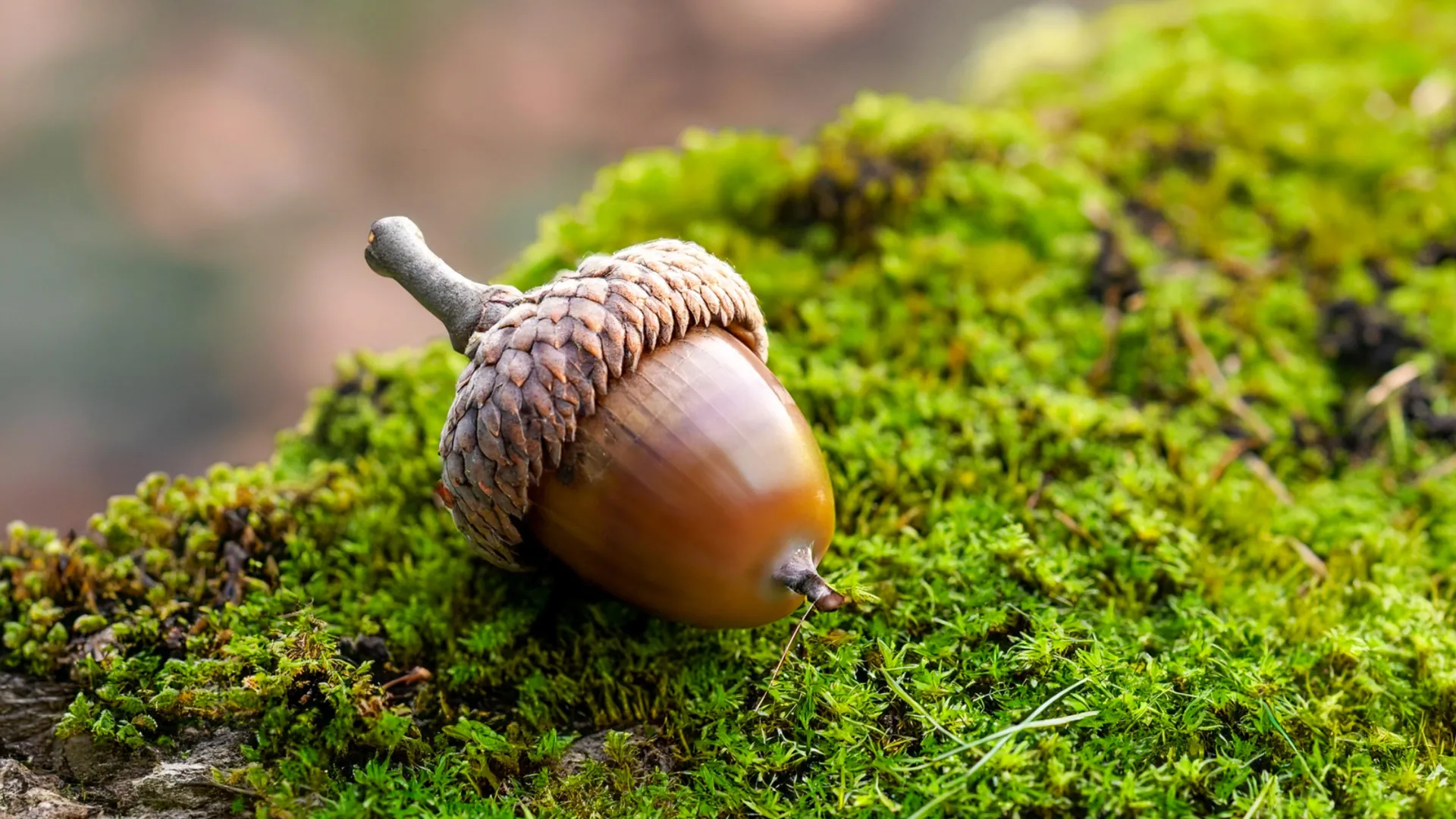
Among the most unexpected findings is the connection between acorn production and future tick abundance. Oak trees periodically experience synchronized years of exceptionally large acorn crops, a phenomenon known as masting. These abundant acorn years support expanded rodent populations, which subsequently support larger tick populations. The researchers determined that a heavy acorn crop can reliably predict increased nymphal tick numbers two years later, offering a potential tool for forecasting periods of elevated disease exposure.
The study also revealed complexities in predicting the proportion of ticks carrying the infection. While mouse abundance predicts overall tick numbers, it does not consistently indicate what percentage will harbor the pathogen. Additional forest inhabitants including skunks, squirrels, and opossums provide alternative hosts for feeding ticks. Since these animals are less effective at transmitting the Lyme disease bacterium, their abundance can dilute infection rates among ticks despite high overall tick populations.
Article Attribution | Read More at Article Source
Article summary produced by Claude AI