

Scientists at the Cary Institute of Ecosystem Studies have completed an analysis of their most significant findings from over 35 years of tracking Lyme disease ecology in New York. The research, published in the Proceedings of the National Academy of Sciences, examines the intricate relationships among ticks, wildlife, vegetation, and environmental factors that influence disease transmission to humans. Nearly 500,000 Americans are diagnosed with Lyme disease annually, making it the most common tick-borne illness in the country.
The long-term study challenges a widely held assumption about what drives rising tick populations. When Lyme disease gained prominence in the United States during the 1980s, white-tailed deer were believed to be a primary factor in increasing tick numbers. However, decades of careful monitoring on the institute’s 2,000-acre research property revealed no statistically significant correlation between deer abundance and the population of nymphal ticks—the immature ticks primarily responsible for transmitting the infection to people. White-footed mice, by contrast, emerged as a much stronger predictor, with years of high mouse populations consistently followed by approximately 40 percent increases in nymphal tick numbers the subsequent year.
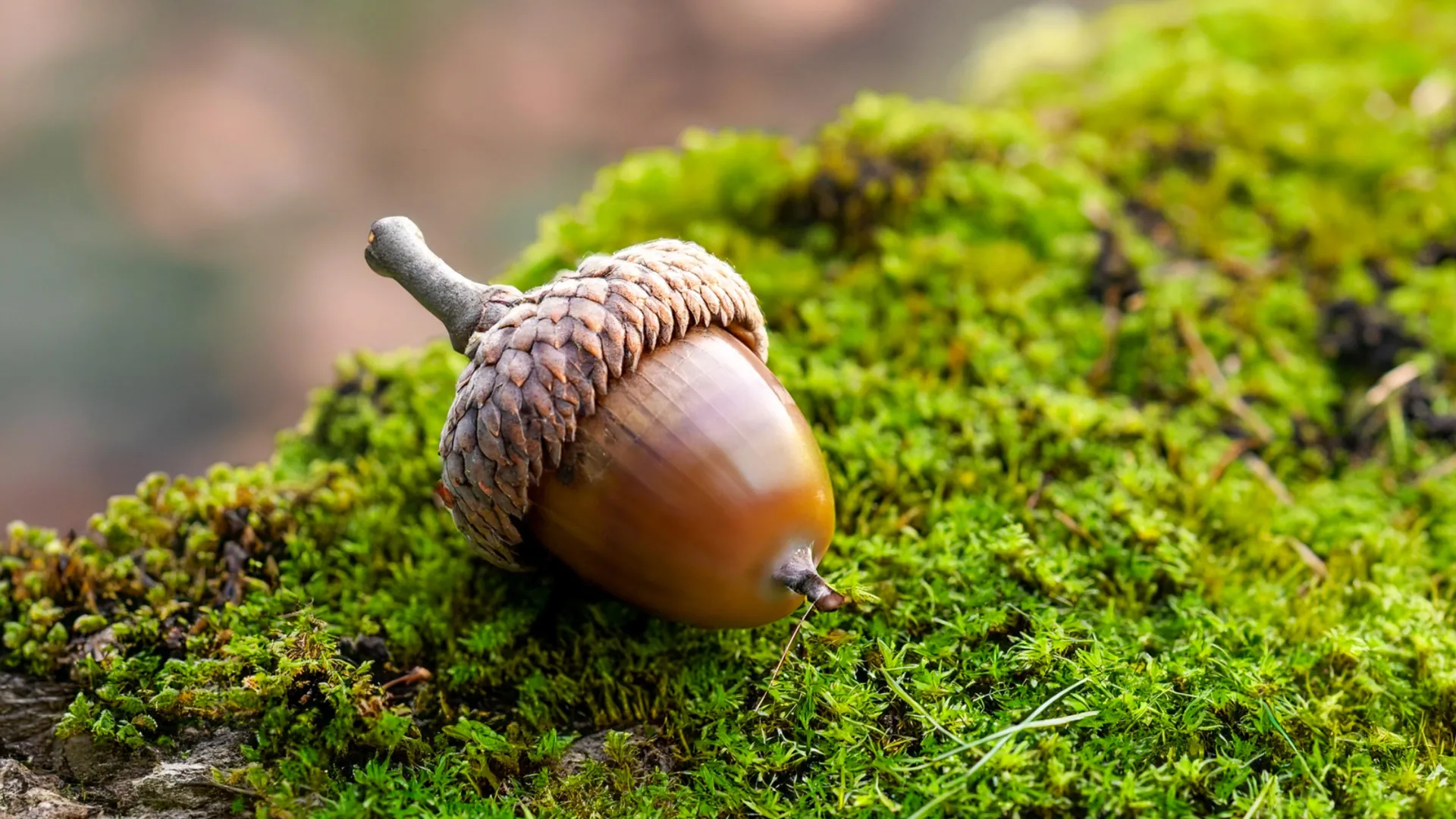
One of the study’s most unexpected discoveries involves oak trees and their acorn production cycles. During years when oak trees undergo synchronized acorn masting—producing unusually large crops—the abundance of food allows rodent populations to surge. This increase in mice the following year leads to larger numbers of young ticks, creating a measurable two-year predictive pattern. This discovery suggests that monitoring acorn production could serve as an early warning system for periods of elevated Lyme disease risk.
The researchers also found that high mouse populations do not reliably predict the proportion of ticks actually carrying Borrelia burgdorferi bacteria. While mice are highly efficient transmitters of the pathogen, other forest animals like skunks, squirrels, and opossums also serve as tick hosts but are far less effective at transmitting the infection. When these alternative hosts are abundant, they divert larval tick meals away from mice, potentially reducing the overall infection rate in the nymphal population despite higher total tick numbers. This distinction between tick quantity and infection prevalence represents an important nuance for understanding disease risk.
Article Attribution | Read More at Article Source
Article summary produced by Claude AI