

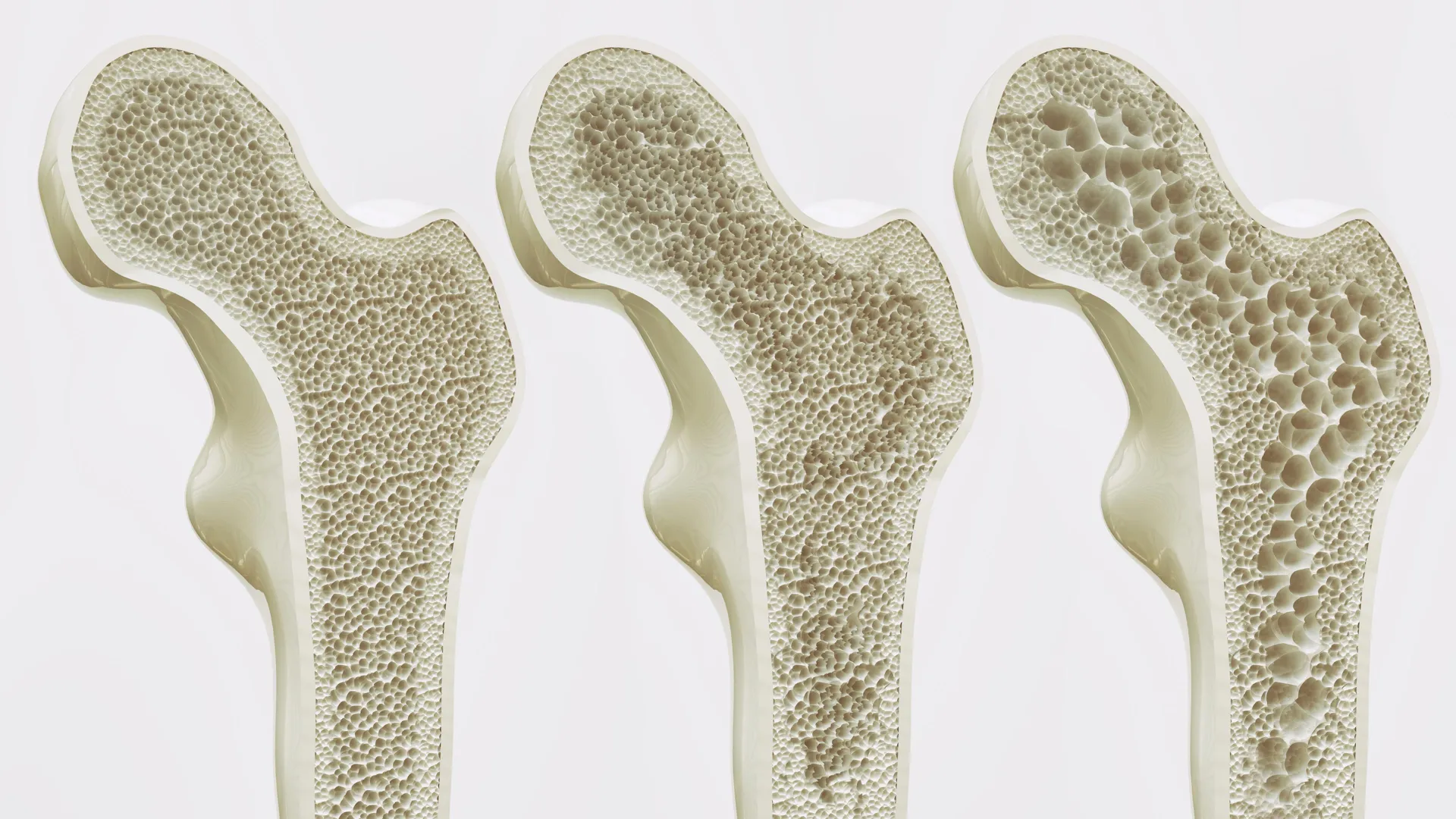
Researchers at Johns Hopkins University have identified a significant association between reduced bone density in the spine and accelerated brain aging, according to findings published in Radiology, the journal of the Radiological Society of North America. The study examined data from over 2,000 participants in the Multi-Ethnic Study of Atherosclerosis who underwent chest CT scans, brain MRI examinations, and cognitive performance testing. Using artificial intelligence algorithms to analyze the imaging data, the team determined bone mineral density measurements from the thoracic spine and tracked changes in brain white matter structure over time.
The analysis revealed that participants with lower baseline spinal bone density showed faster overall cognitive decline and greater accumulation of white matter abnormalities in specific brain regions. These included the corpus callosum, which supports executive function and working memory, and the anterior limb of the internal capsule, involved in executive function. The findings represent the first longitudinal study to link baseline vertebral bone mineral density to changes in white matter structure and cognitive performance.
Researchers emphasized that the connection does not establish a direct causal relationship between bone loss and dementia. Instead, bone deterioration and brain degeneration may result from shared biological processes associated with aging, including insulin resistance, abnormal lipid levels, and hormonal changes. The researchers described the pattern as a metabolic syndrome rather than a direct bone-to-brain effect.
The study suggests that identifying individuals with reduced bone density could help flag those at higher risk for neurological decline, potentially enabling earlier intervention and better management of shared risk factors. Additionally, the research demonstrates that artificial intelligence can extract valuable health information from routine CT scans performed for other medical purposes, such as lung cancer screening. This approach could make existing diagnostic imaging more informative and help scientists investigate biological mechanisms underlying age-related diseases that have traditionally been studied separately.
Article Attribution | Read More at Article Source
Article summary produced by Claude AI