

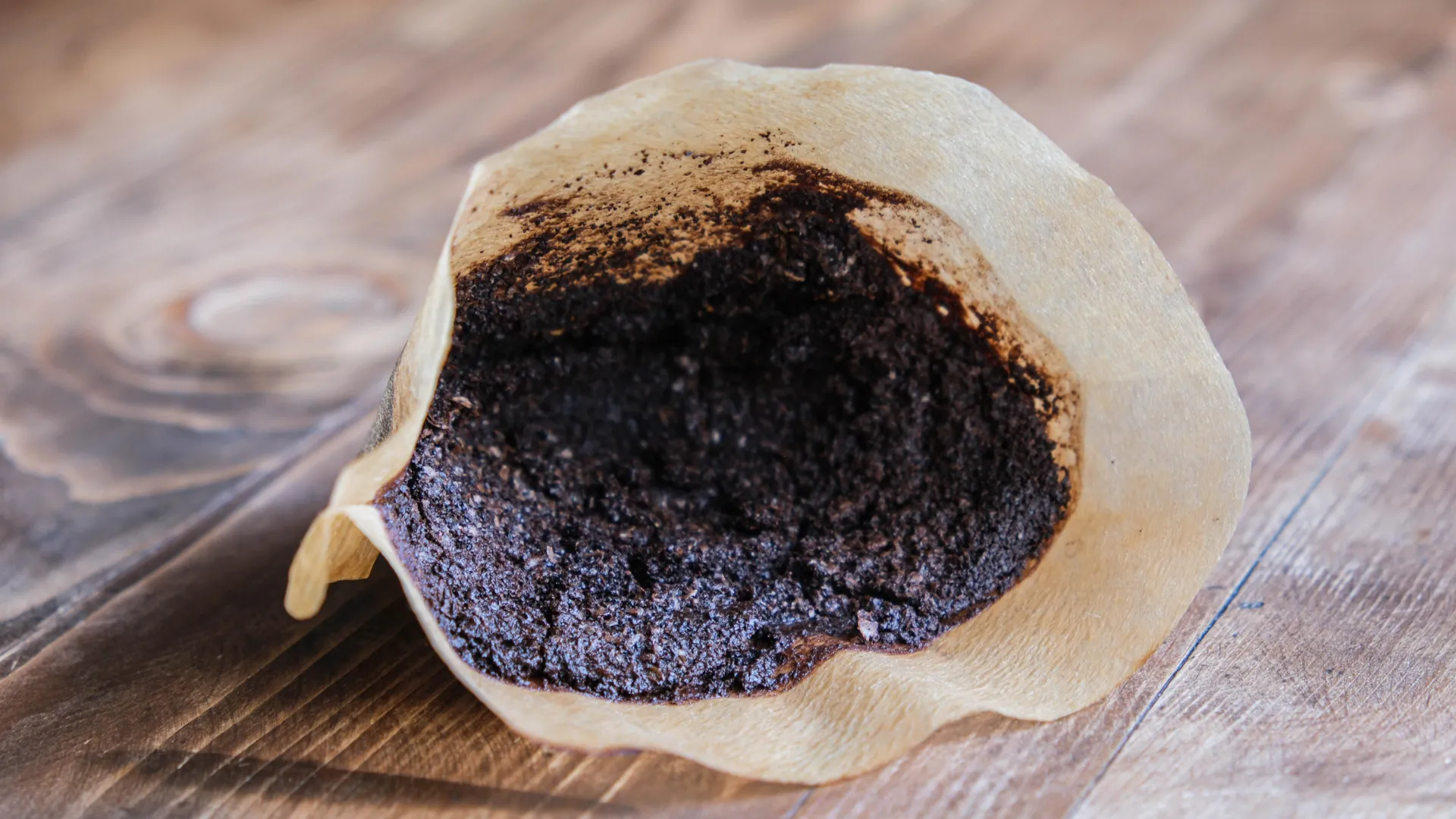
Scientists at Universitat Rovira i Virgili have identified a practical approach to recover valuable oils from discarded coffee grounds, addressing a substantial waste stream generated by the global coffee industry. With approximately 10 million metric tons of coffee beans produced annually worldwide, the majority of the bean material becomes solid waste. The spent grounds contain roughly 15% lipids that can serve as a feedstock for biodiesel manufacturing.
The research team, led by investigators from the institution’s Department of Chemical Engineering, conducted systematic experiments to optimize oil extraction using n-hexane solvent. By testing variations in temperature, extraction duration, and solvent quantity, they determined that processing at 45°C for 60 minutes with 35 milliliters of hexane per gram of dry residue yielded optimal results. This method recovered approximately 90% of the oil yield achievable through Soxhlet, a traditional laboratory extraction technique, while producing considerably purer oil with only 0.3% impurities compared to 3.9% from conventional methods.
A key advantage of the approach is that it does not compromise the structural integrity of the remaining coffee material. The lignocellulosic matrix—containing cellulose, hemicellulose, and lignin—remains largely unchanged and can subsequently be processed into bioethanol, lactic acid, polyhydroxyalkanoates, phenolic compounds, and sustainable aviation fuel ingredients. By removing the lipid barrier that otherwise prevents chemical processes from accessing other useful components, the extraction method effectively prepares residual biomass for additional processing.
When researchers evaluated alternative extraction techniques involving ultrasound and microwave acceleration, neither provided sufficient improvements across multiple performance metrics including purity, efficiency, energy consumption, and industrial scalability. The conventional batch process using n-hexane under moderate conditions emerged as the most practical option for biorefinery operations.
The findings support circular economy principles by converting a typically discarded waste product into multiple revenue streams. The dual-purpose approach addresses growing demand for renewable fuel alternatives in sectors resistant to electrification, while simultaneously reducing environmental burden from coffee waste accumulation.
Article Attribution | Read More at Article Source
Article summary produced by Claude AI