

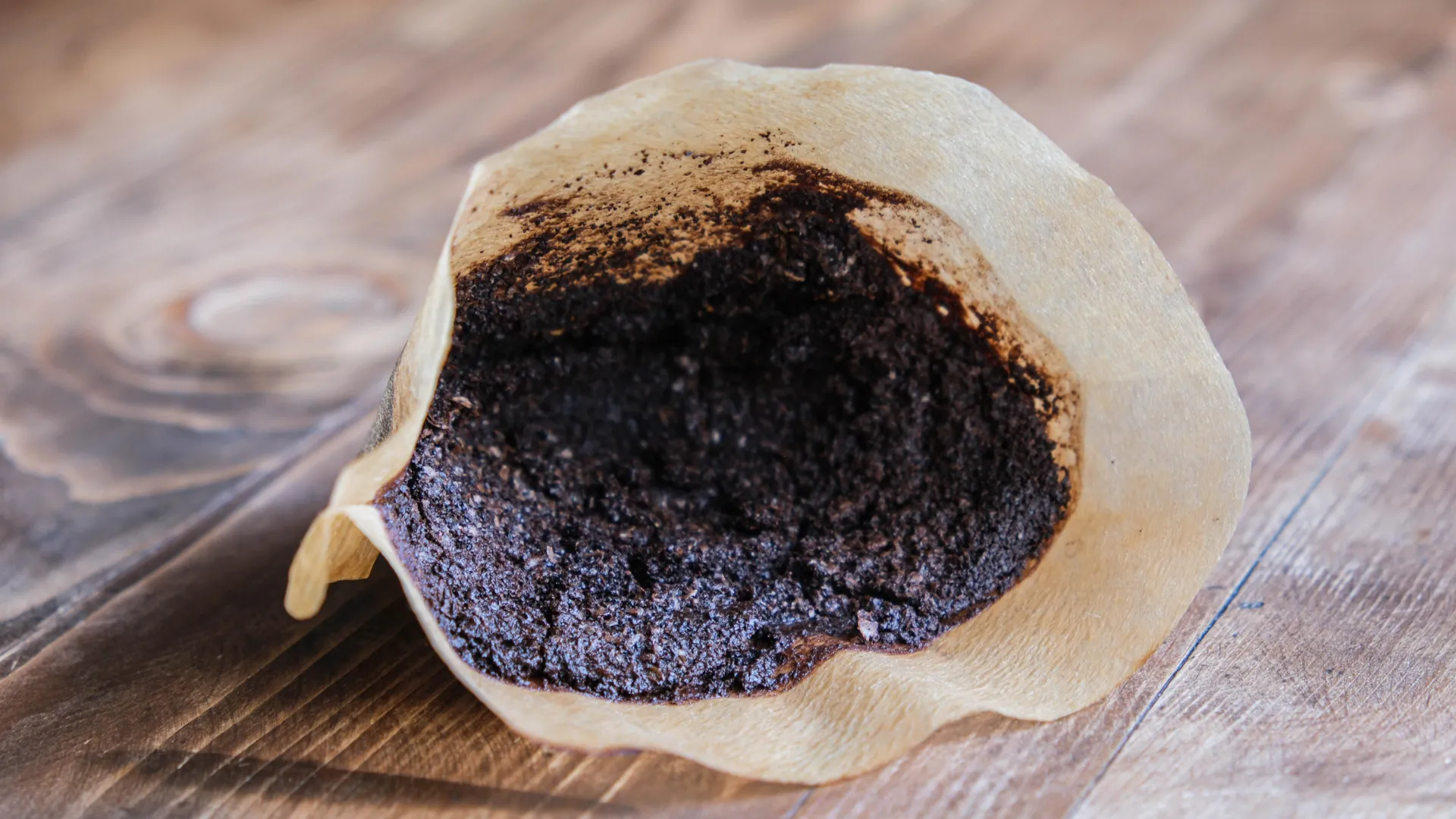
Scientists at Universitat Rovira i Virgili have identified a practical approach to recovering oils from spent coffee grounds, addressing a significant waste stream generated by global coffee production. The research, published in Biomass and Bioenergy, demonstrates that discarded coffee grounds contain approximately 15% lipids that can serve as feedstock for biodiesel production, despite representing only a fraction of the billions of metric tons of coffee processed annually worldwide.
The research team, led by Jorge F. Romero, Alberto Tampieri, Daniel Montané, Magdalena Constantí, and Francesc Medina from the Department of Chemical Engineering, systematically evaluated how extraction temperature, processing duration, and solvent ratios affected oil recovery. Using n-hexane as a solvent, they determined that optimal conditions involved 45°C temperatures for 60 minutes with a specific solvent-to-grounds ratio. This approach recovered approximately 90% of the oil achievable through Soxhlet, the conventional laboratory extraction standard, while producing considerably purer oil with only 0.3% impurities compared to 3.9% using traditional methods.
Beyond oil recovery, the research emphasized preserving the structural integrity of the remaining coffee material, known as the lignocellulosic matrix. This residue contains cellulose, hemicellulose, and lignin—compounds that can be processed into bioethanol, lactic acid, phenolic compounds, and sustainable aviation fuel ingredients. The extraction method actually improves the processability of leftover biomass by removing fats that normally hinder solvent and catalyst access to other useful components.
When researchers evaluated advanced extraction techniques using ultrasound and microwaves, these methods did not provide sufficient improvements when considering oil purity, efficiency, energy consumption, and scalability to industrial operations. The conventional batch process using n-hexane emerged as the most practical option for biorefinery applications seeking to convert biological materials into fuels and chemicals at commercial scale, supporting broader circular economy objectives in sustainable fuel production.
Article Attribution | Read More at Article Source
Article summary produced by Claude AI