

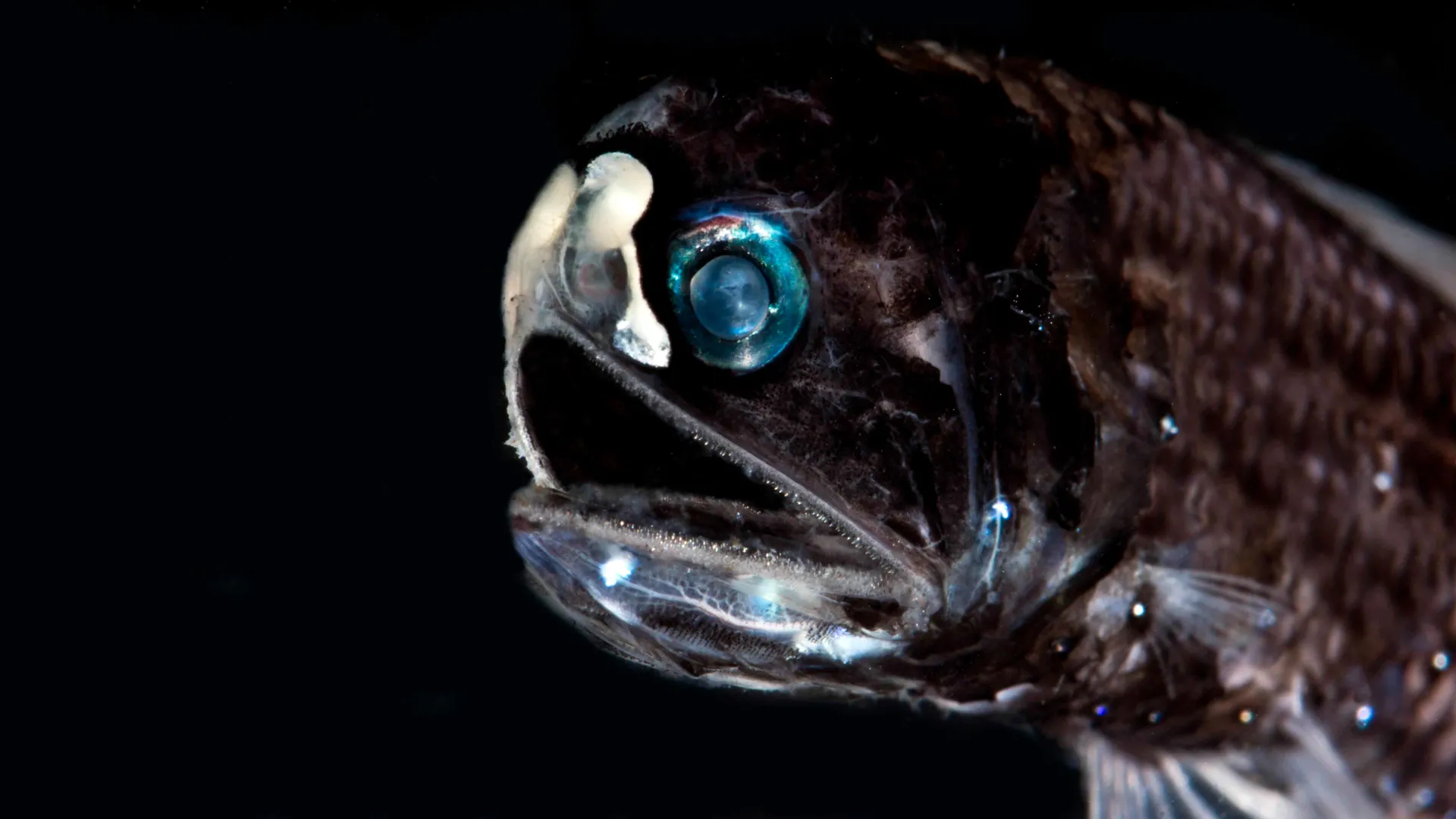
A research team led by scientists at Florida International University has identified genetic indicators suggesting that marine animals living in deep Gulf waters face greater extinction risk than previously believed. The study analyzed DNA samples from 486 specimens across three lanternfish species and two deep-sea shrimp species collected between 2011 and 2023, examining how populations have changed over an extended period.
All five species examined displayed genetic characteristics associated with increased extinction vulnerability. One lanternfish species, Diaphus dumerilii, showed approximately an 8% reduction in genetic diversity over just 12 years—a decline that matches or exceeds losses documented in certain threatened and endangered species over much longer timeframes. Additionally, all five species exhibited relatively small effective population sizes, indicating that only a limited portion of individuals successfully pass genetic material to future generations, despite potentially abundant overall population numbers.
Researchers used climate modeling to project habitat availability for these species through 2050 and 2100. The projections suggest four of the five species could experience substantial habitat losses, potentially reaching 70%. These findings challenge the longstanding assumption that vast deep-sea environments and wide geographic distributions naturally provide resilience to populations inhabiting these regions.
The discoveries raise questions about potential long-term genetic consequences of the 2010 Deepwater Horizon oil spill, which earlier research showed caused significant population reductions in deep-sea animals. While the team has not established a direct genetic link to the spill, their results indicate that environmental disruptions may have genetic implications extending beyond immediate population impacts.
The study underscores the importance of integrating genetic monitoring into marine biodiversity assessments and conducting long-term observations to detect population changes that conventional surveys might overlook. Researchers emphasize that genetic diversity is essential for species adaptation to environmental changes and recovery from disturbances.
Article Attribution | Read More at Article Source
Article summary produced by Claude AI