

Scientists have identified an unexpected relationship between diet and the effectiveness of cancer immunotherapy, according to research conducted at McGill University and CR-CHUM. The study examined how various diets influence responses to immune checkpoint inhibitors, which are widely used immunotherapy drugs designed to help the immune system recognize and attack cancer cells. The research was co-led by Daniela Quail, Associate Professor at the Department of Physiology and Principal Investigator at the Rosalind & Morris Goodman Cancer Institute, along with collaborators Logan Walsh and researchers from CR-CHUM.
The investigation tested 12 different diets in mice and produced counterintuitive results. Some diets typically associated with weight gain and considered unhealthy appeared to make immunotherapy more effective, even when consumed for relatively short periods. This finding challenges conventional assumptions about the relationship between nutrition and cancer treatment outcomes. Quail emphasized that the connection between diet and treatment response is more nuanced than simple health messaging, and noted that the role played by gut bacteria and the foods that sustain them appears to be significant.
These results emerged from a longstanding puzzle in cancer research known as the obesity paradox. While obesity is generally associated with increased cancer risk and higher mortality rates, several studies have documented that cancer patients with higher body mass index sometimes respond more favorably to immune checkpoint inhibitors. The research team’s findings suggest that the apparent treatment advantage may not stem primarily from excess body weight itself, but rather from the combined influence of diet composition and gut microbiome interactions on immune system function.
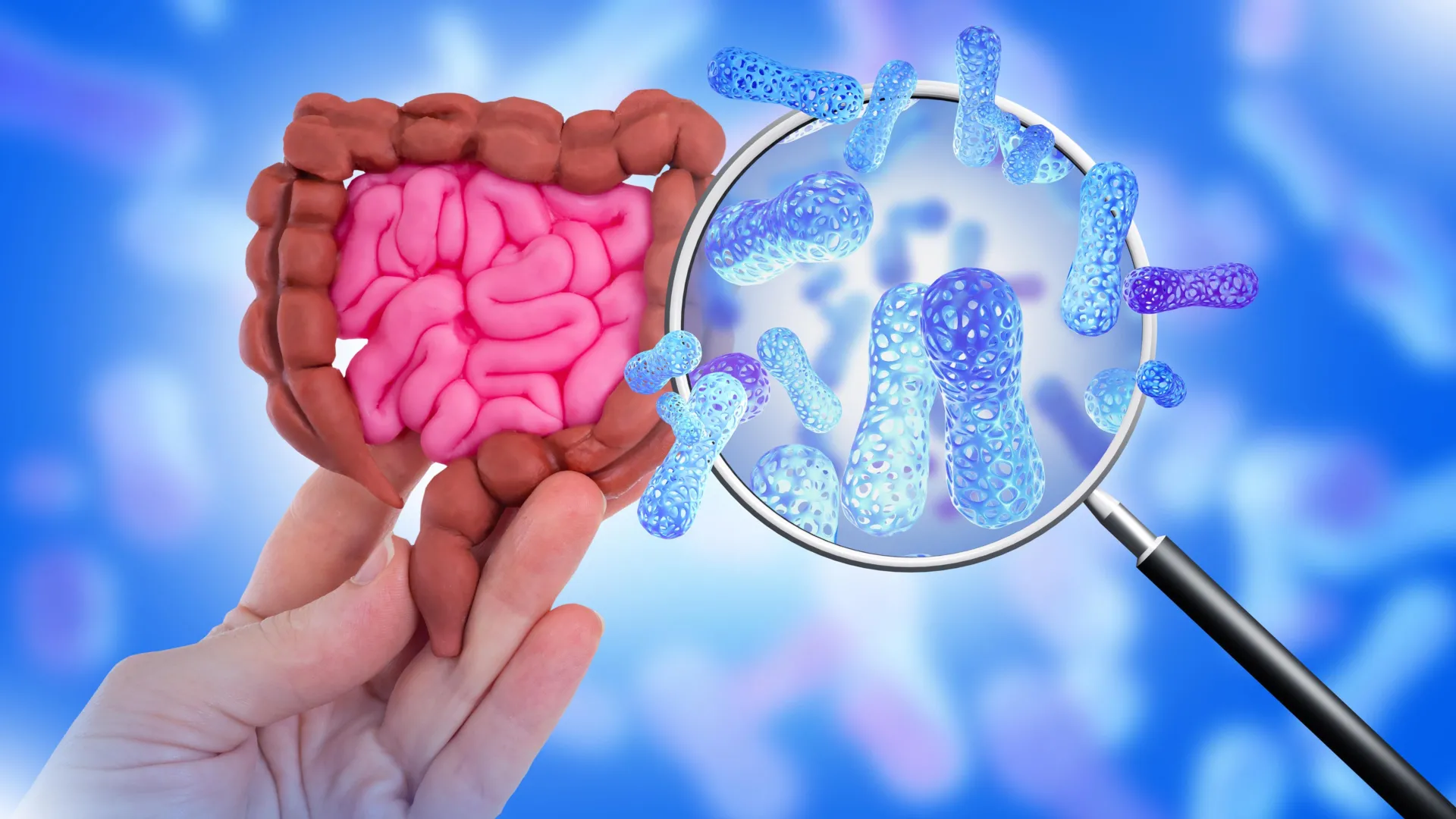
The researchers stressed that their findings should not be interpreted as encouraging cancer patients to adopt weight-promoting diets. Excess weight carries well-established health risks, and the study was conducted in mice rather than humans. Instead, scientists aim to understand the specific mechanisms through which different foods influence the gut microbiome—the vast community of trillions of bacteria inhabiting the digestive system. By identifying these mechanisms, researchers hope to develop safer interventions that reproduce the beneficial immunotherapy effects without exposing patients to obesity-related health hazards.
The study was published in Nature and received funding from the Canadian Institutes of Health Research, the Canadian Cancer Society, the Terry Fox Research Institute, and additional philanthropic support.
Article Attribution | Read More at Article Source
Article summary produced by Claude AI