

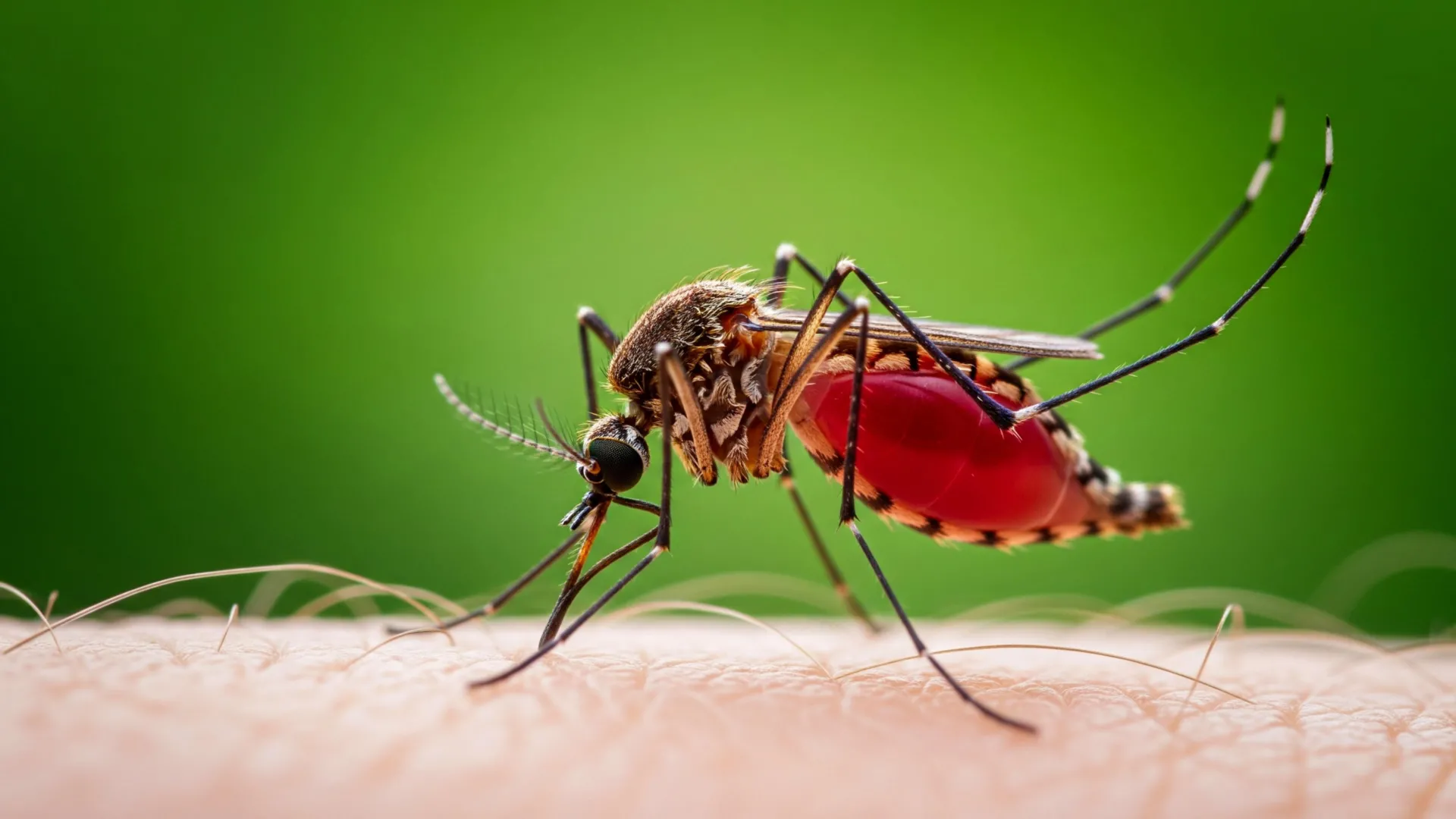
A study conducted by researchers at Florida International University and published in iScience examined how three major disease-carrying mosquito species respond to human odor cues. The investigation involved 119 human volunteers and tested responses from Aedes aegypti, Aedes albopictus (Asian tiger mosquito), and Culex quinquefasciatus (southern house mosquito), species known to transmit yellow fever, dengue, Zika, West Nile virus, and other illnesses.
The research, led by Ph.D. student Kaylee Marrero under neurogeneticist Matthew DeGennaro at the Biomolecular Sciences Institute, yielded a notable finding: no single participant attracted all three species equally. Instead, each mosquito species demonstrated distinct preferences for different groups of people, with attraction patterns correlating to individual differences in body chemistry and natural skin odor profiles.
Scientists determined that human skin emits more than 1,000 volatile organic compounds, many not yet fully understood. The research team collected body odor samples and skin microbiome data from participants alongside conducting mosquito preference tests. Analysis revealed strong connections between mosquito attraction and variations in both the chemical compounds and microorganisms present on people’s skin, indicating that skin microbiomes define individual human odor signatures that different mosquito species have evolved to detect and interpret in distinct ways.
The findings could reshape disease prevention approaches. By identifying the specific chemical and microbial factors that attract or repel particular mosquito species, researchers may develop next-generation repellents tailored to target specific species rather than employing one-size-fits-all solutions. Such advances could enable communities to implement more focused public health strategies based on the particular disease vectors present in their regions.
Article Attribution | Read More at Article Source
Article summary produced by Claude AI