

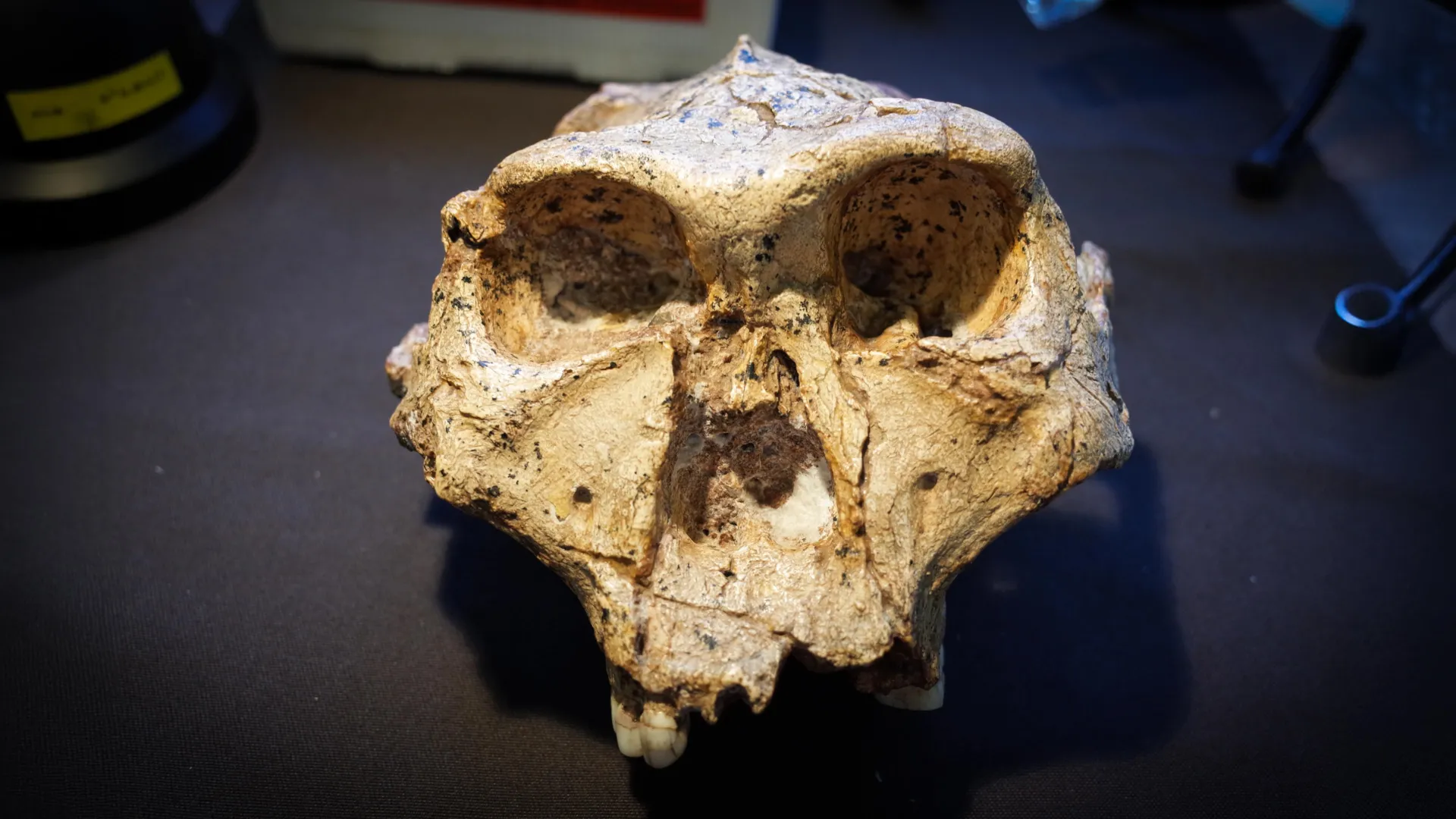
A study from Monash University published in the American Journal of Biological Anthropology challenges conventional classification systems for human ancestors, proposing that groups traditionally kept separate should be reorganized into a single genus. The research suggests that all human species and closely related fossil relatives spanning the past 4 to 5 million years be consolidated within Homo, fundamentally altering how scientists organize human evolutionary history.
The shift stems from mounting evidence that traditional distinguishing features between groups have become difficult to maintain. Brain size and tool use, once considered defining characteristics of Homo, have proven less reliable as markers following numerous fossil discoveries. Researchers have found Homo species with unexpectedly small brains while simultaneously discovering that Australopithecus and Paranthropus likely exhibited more sophisticated behaviors than previously understood. These overlapping characteristics have weakened the boundaries separating the three groups.
Dr. Ian Towle, lead researcher at the Monash Biomedicine Discovery Institute, argues that the existing classification system inadequately reflects the complexity revealed by modern fossil records and genetic analysis. Rather than viewing human evolution as an orderly linear progression, evidence increasingly demonstrates a complicated branching structure with overlapping species and intricate relationships still being clarified. Each new discovery further complicates efforts to maintain distinct categorical boundaries.
The proposal operates within modern evolutionary biology principles emphasizing clade-based classification, which groups organisms according to common ancestry rather than superficial similarities. Expanding Homo would not assert that ancient relatives were identical to modern humans, but rather would acknowledge their evolutionary connections while allowing scientists to distinguish between individual species. This broader framework could also provide greater stability in taxonomy by accommodating diversity revealed through ongoing discoveries rather than requiring repeated reclassifications with each new fossil find.
Article Attribution | Read More at Article Source
Article summary produced by Claude AI