

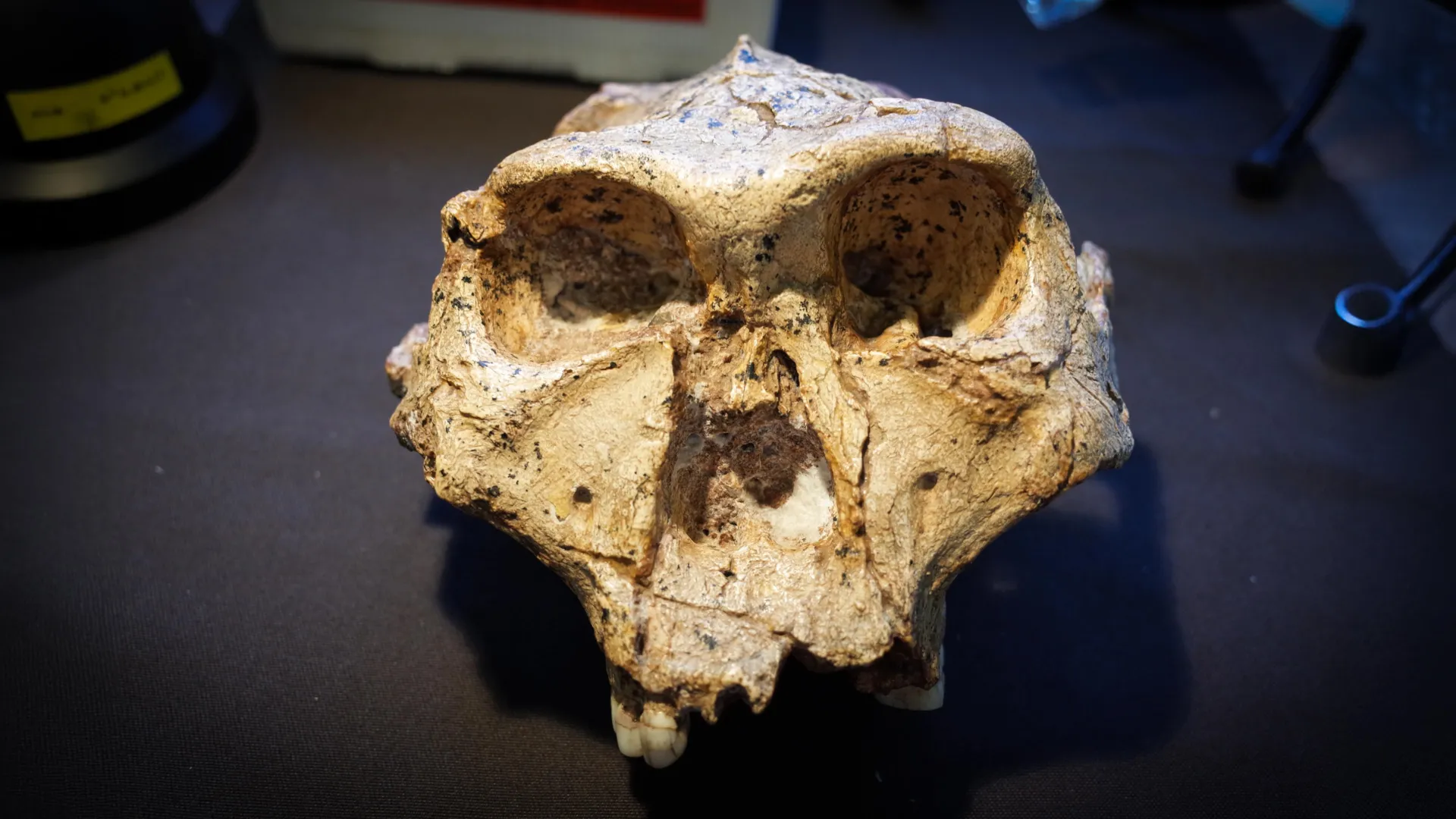
A new study published in the American Journal of Biological Anthropology challenges conventional classification systems for human ancestors, proposing that groups traditionally kept separate should be reorganized into a single genus. The research, led by Dr. Ian Towle at Monash University’s Biomedicine Discovery Institute, argues that species classified as Australopithecus and Paranthropus over the past 4 to 5 million years should be reclassified within the genus Homo alongside modern humans.
The proposal stems from accumulating fossil evidence that reveals the evolutionary relationships between human ancestors are far more complex than previously understood. Rather than following a linear progression from ape-like ancestors through distinct species to modern humans, the fossil record shows overlapping species and multiple evolutionary branches. Each new discovery adds complexity to the picture, with traits once thought to distinguish separate groups appearing across multiple ancient human relatives, making traditional classification boundaries increasingly difficult to defend.
The existing taxonomic system relies on physical and behavioral characteristics to separate genera, including brain size, tool sophistication, and anatomical features. However, recent discoveries have undermined these distinctions. Scientists have found members of Homo with surprisingly small brains, contradicting the assumption that large brain size defined the genus, while evidence suggests Australopithecus and Paranthropus exhibited more complex behaviors than previously believed. These overlapping characteristics have made it progressively harder to justify keeping these groups in separate categories.
Towle argues that the classification problem does not lie with the fossil evidence itself but with an outdated taxonomic framework. By expanding the genus Homo to encompass these related groups, scientists could create a more stable and accurate representation of human evolutionary history. This broader classification would still allow researchers to distinguish between individual species within the expanded genus while acknowledging their evolutionary connections. The proposal remains a scientific argument rather than an officially adopted change, but it reflects how substantially our understanding of human origins continues to evolve with new evidence.
Article Attribution | Read More at Article Source
Article summary produced by Claude AI