

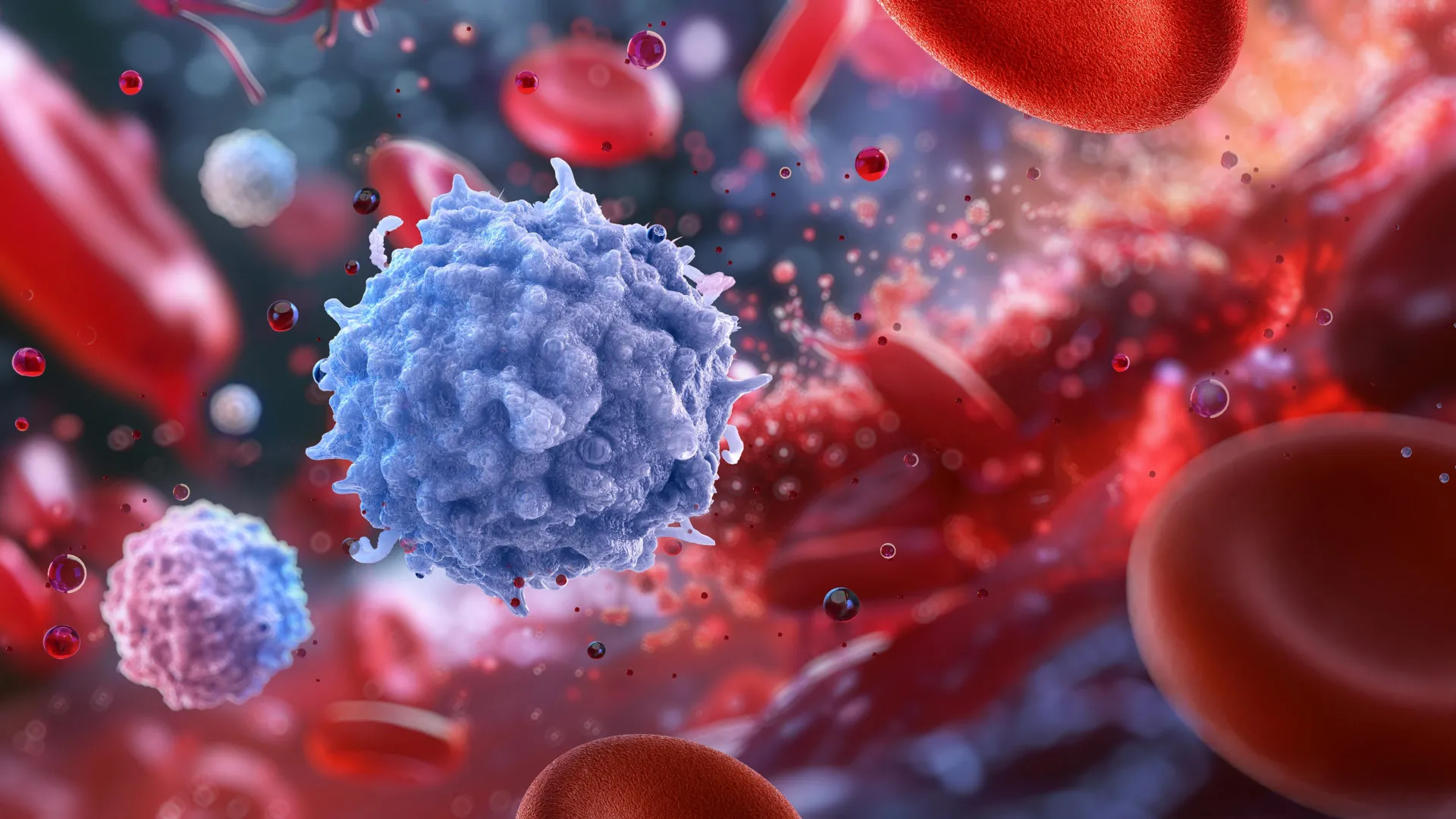
Researchers at Memorial Sloan Kettering Cancer Center have resolved a biological puzzle spanning three decades by identifying a previously unknown enzyme and uncovering a protective mechanism in the immune system’s inflammatory response. The work, published October 7 in Nature, demonstrates that a chemical signaling molecule involved in recruiting immune cells to infection sites also plays a role in preventing those same immune defenses from harming healthy tissue.
The mystery originated in 1992 when scientists at McGill University identified a fatty molecule called 5-oxoETE that acts as a chemical signal directing immune cells to sites of infection. While researchers observed an enzyme capable of both producing and breaking down this molecule, the human gene responsible for creating the enzyme remained unknown for more than three decades, limiting scientists’ ability to study its function and potential disease implications.
Postdoctoral researcher Yanan Ma at MSK’s Sloan Kettering Institute, building on work by colleague King Lam Hui, identified the human gene DHRS7 as the source of the mysterious enzyme. The discovery came through systematic testing of candidate genes in cultured human cells. Notably, researchers found that rodents lack significant enzyme activity from the equivalent gene, explaining why previous mouse-based research had been unable to explore the complete signaling pathway.
The research team employed an unconventional approach by using zebrafish instead of traditional laboratory mice for experiments. While mice and humans share approximately 80 percent of their genes, mice lack the immune cell receptor necessary to recognize 5-oxoETE, making them unsuitable for studying the complete signaling process. Zebrafish retained the biological machinery needed for the investigation.
The findings open potential avenues for developing treatments that strengthen the body’s natural defenses against inflammatory damage. The work could advance research into cancer, inflammatory bowel disease, and asthma, diseases where inflammation plays a significant role in disease progression and severity.
Article Attribution | Read More at Article Source
Article summary produced by Claude AI