

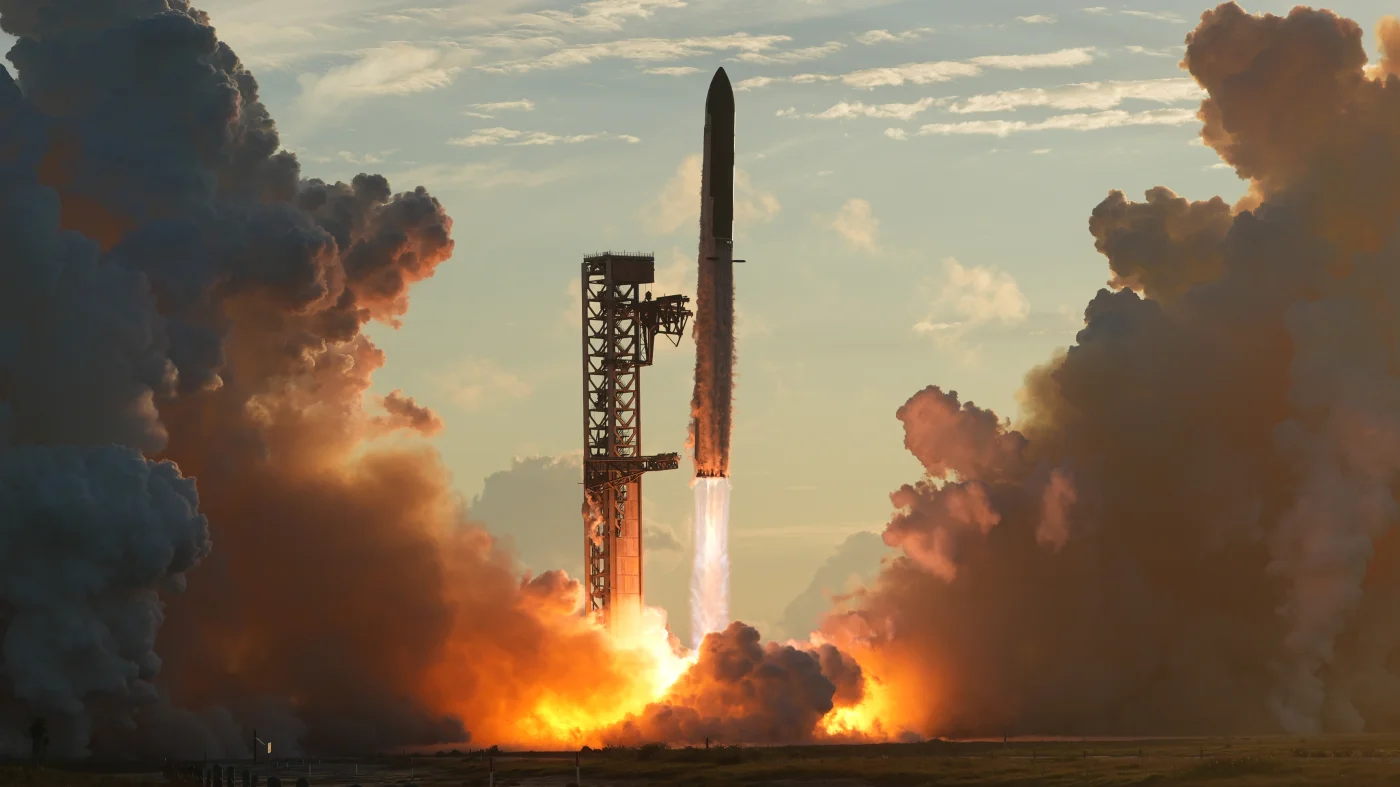
SpaceX is conducting an ambitious test flight of its Starship rocket, the largest ever built, designed to eventually carry astronauts to Mars. However, the company’s focus on developing this next-generation vehicle is raising concerns about the future availability of spacecraft for NASA missions.
The core issue centers on SpaceX’s intention to discontinue flights of its Falcon 9 rocket as it prioritizes Starship deployment. Currently, the Falcon 9 carries the Dragon capsule, which serves as the only American spacecraft capable of transporting NASA astronauts to and from the International Space Station. NASA has contracted with SpaceX for three additional crew flights, which would extend Dragon operations through 2028 under current scheduling assumptions.
SpaceX leadership has justified the transition by characterizing the Dragon-Falcon 9 combination as outdated technology. SpaceX President Gwynne Shotwell compared the capsule to a minivan unsuitable for longer missions, emphasizing the company’s desire to advance to newer systems. The shift reflects SpaceX’s dramatically changed business priorities. Once dependent on NASA and Pentagon contracts for survival, the company’s revenue structure has shifted dramatically since the launch of Starlink satellite internet service in 2020. Recent financial reports show space launches generated $2.1 billion in revenue through September, while Starlink contributed $12.8 billion and the company’s AI business added $10.9 billion.
The potential gap in American human spaceflight capability coincides with the International Space Station’s planned retirement in 2030. Industry analysts note that building spacefaring capsules requires substantial time and investment, and NASA represents virtually the only customer willing to fund such development. The Falcon 9 retirement is expected to create broader market disruptions, with analyses suggesting a shortfall of approximately 150 commercial launches between now and 2030. The U.S. Space Force has stated it secured Falcon 9 launches through 2028 and expressed confidence in alternative suppliers, though Pentagon officials have reportedly faced challenges securing launch capacity for national security satellites.
Article Attribution | Read More at Article Source
Article summary produced by Claude AI