

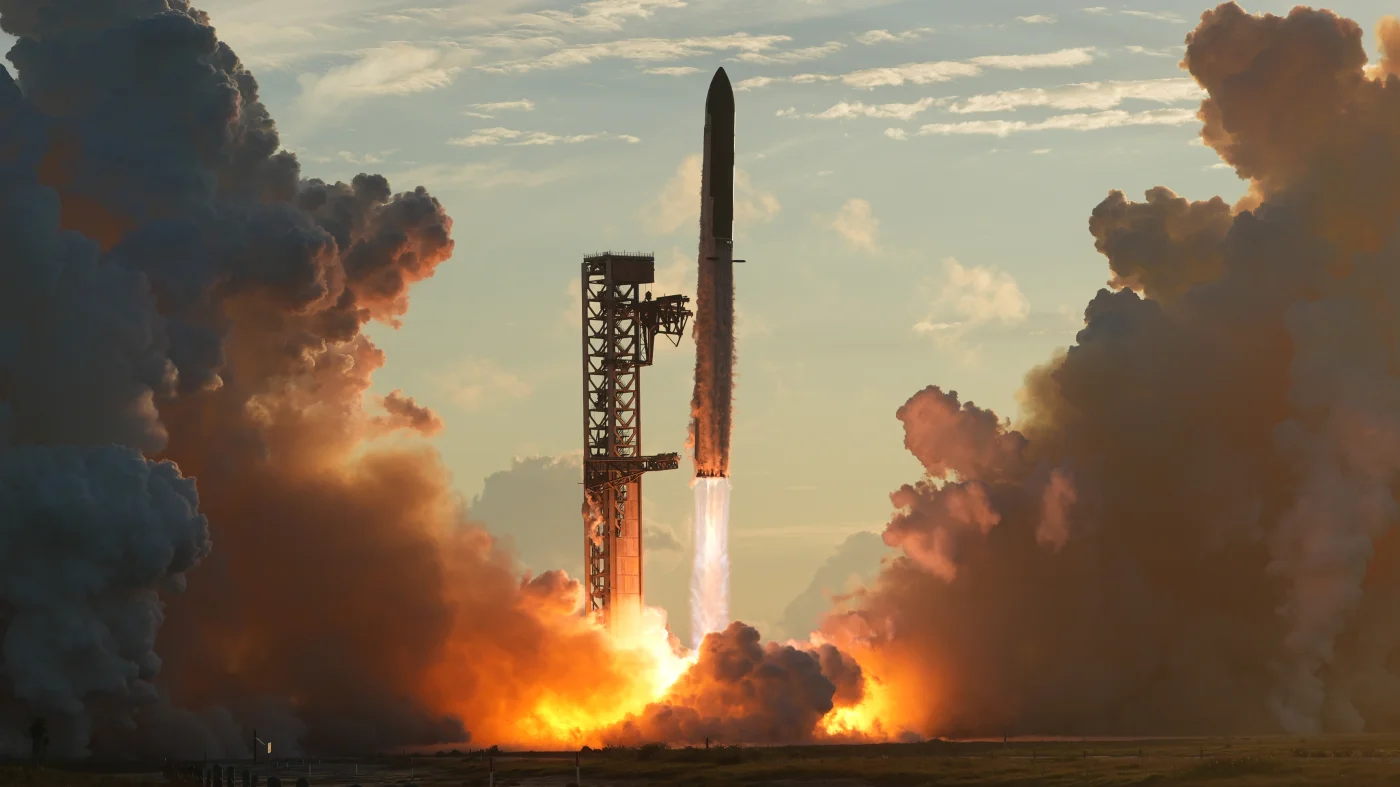
SpaceX is conducting an ambitious test flight of its Starship mega rocket, designed to eventually carry astronauts to Mars. However, the company’s shift toward this new vehicle threatens to create a significant challenge for NASA, as SpaceX has indicated it will discontinue flights of the smaller Falcon 9 rocket as Starship development accelerates.
The Falcon 9 currently launches SpaceX’s Dragon capsule, which serves as the sole American spacecraft capable of transporting NASA astronauts to and from the International Space Station. According to a September NASA announcement, the space agency has contracted for three additional Dragon missions to the station, which would allow operations through 2028 under a six-month flight schedule. Since the space station is scheduled to retire in 2030, this timeline creates a potential gap in American human spaceflight capability.
SpaceX leadership has characterized the Dragon-Falcon 9 combination as outdated technology. SpaceX President Gwynne Shotwell compared the system to a minivan, suggesting the company wants to transition to newer capabilities. Company founder Elon Musk stated that once Starship achieves reliable operations multiple times weekly, it makes sense to redirect engineering and production resources toward increasing Starship’s launch cadence.
The business rationale behind SpaceX’s pivot reflects the company’s dramatically shifted financial landscape. Space launches generated approximately $2.1 billion in revenue through September, while Starlink satellite internet subscriptions produced $12.8 billion and the company’s AI business generated $10.9 billion. This shift means NASA contracts, while historically crucial to SpaceX’s survival, now represent a relatively small portion of company revenue. Industry analysts note that the commercial human spaceflight market remains limited, with NASA essentially serving as the only significant customer for crewed spacecraft.
The Falcon 9 retirement would have broader implications beyond NASA operations. Analysis indicates the commercial market could face a shortfall of approximately 150 launches between now and 2030. The Pentagon has reportedly been seeking alternative arrangements for national security satellite launches, though the U.S. Space Force stated it has secured Falcon 9 launches through 2028 and expressed confidence in other suppliers filling remaining needs. The timeline for Falcon 9’s retirement remains undetermined.
Article Attribution | Read More at Article Source
Article summary produced by Claude AI