

Engineers developing permanent lunar infrastructure face a significant challenge: creating insulation that can protect astronauts and equipment from extreme temperature fluctuations while remaining durable enough to survive transport, installation, and years of operational use. Most highly effective thermal insulators are fragile and prone to damage, while materials that resist physical stress often compromise on heat retention. This combination of requirements has prompted researchers to seek innovative solutions.
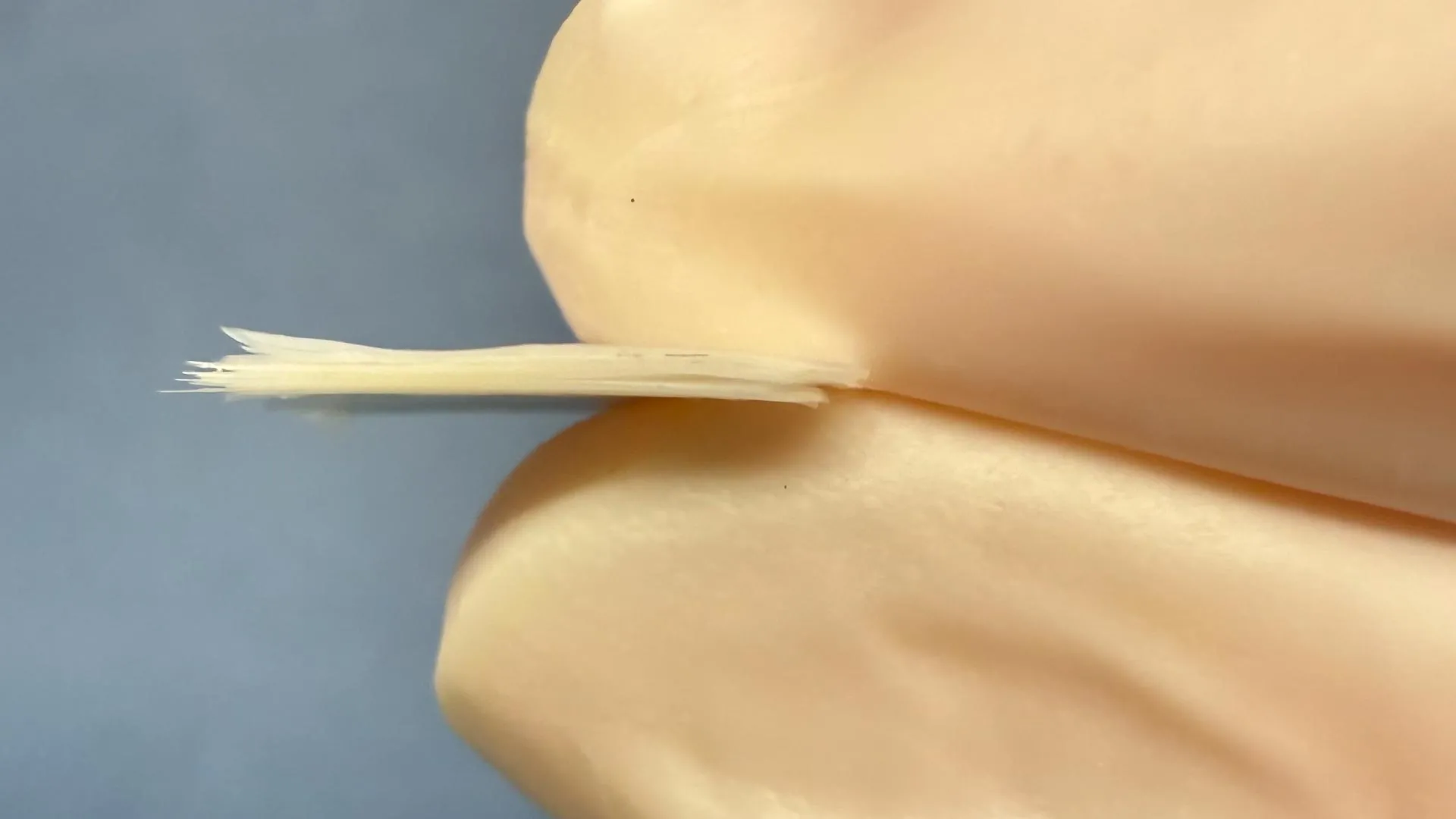
Scientists at the University of Pennsylvania have identified Mylar, a common plastic found in everyday products like food wrap and emergency blankets, as a promising candidate for lunar applications. When multiple extremely thin layers of Mylar are carefully stacked together, the resulting material achieves a unique combination of thermal insulation and mechanical resilience. The researchers, whose work was published in ACS Applied Materials & Interfaces, developed what they call hybrid layered insulating film stacks, or HyLIFS. This approach allows the material to be bent and compressed while maintaining its insulating properties, addressing a critical need for lunar construction.
The research process revealed unexpected durability. Laboratory testing subjected the stacked Mylar films to compression forces equivalent to concentrating 200 pounds of force on an area the size of a fingertip. Remarkably, the material not only survived this extreme pressure but was able to withstand repeated compression cycles while preserving its thermal performance. Some samples were coated with alumina to increase stiffness and further enhance resistance to compression without sacrificing insulation quality.
The potential applications extend beyond thermal protection alone. Any equipment transported to the Moon must first endure the rigors of packing and launch. Materials that can be bent, transported, and potentially reused would offer significant logistical advantages. Once at a lunar base, insulation would need to withstand accidental impacts and compression during routine maintenance and operations by astronauts. If the material can be manufactured at scale, it could provide an economical and durable solution for protecting future lunar habitats and equipment from the Moon’s harsh environment.
Article Attribution | Read More at Article Source
Article summary produced by Claude AI