

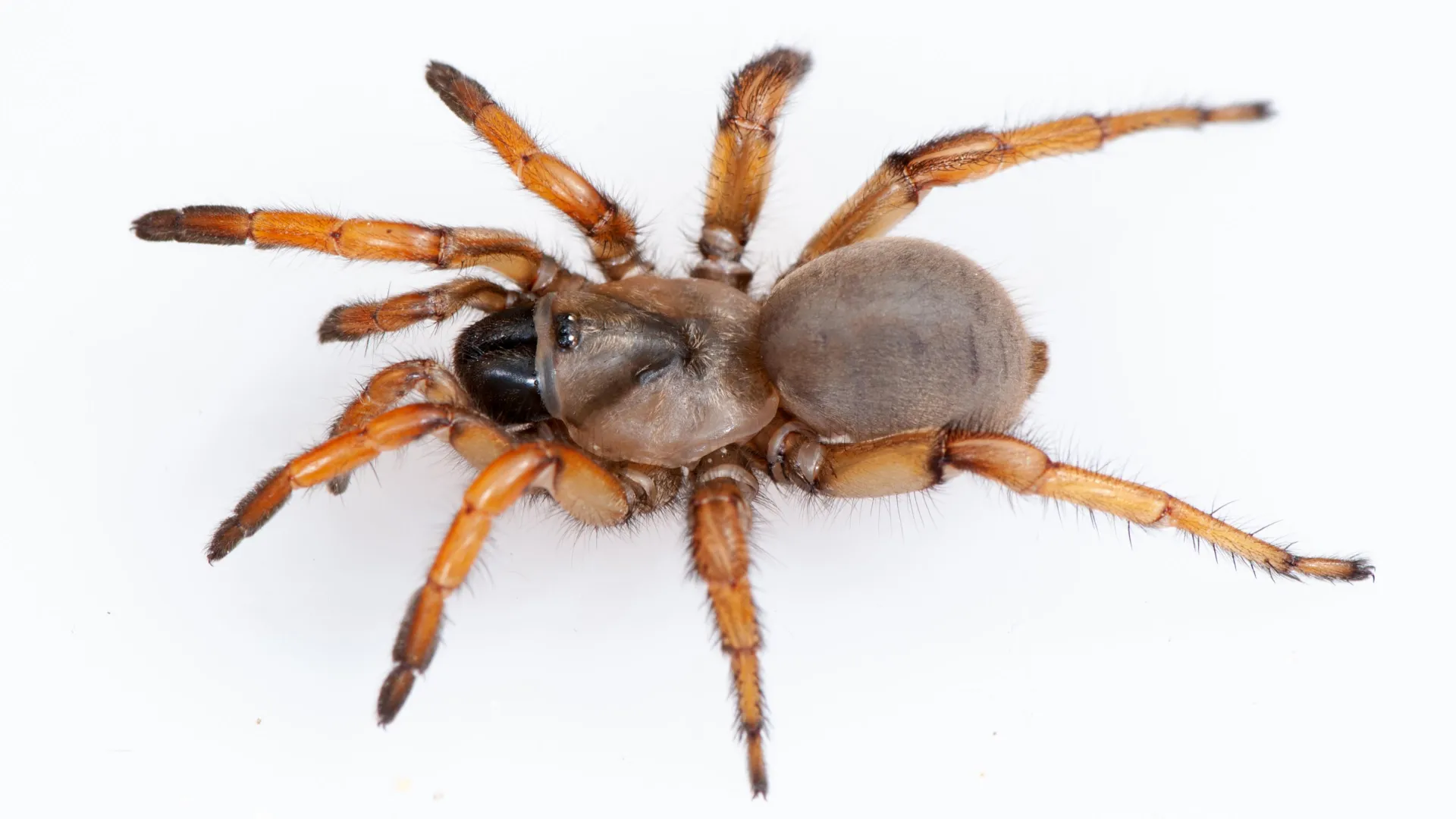
Scientists have sequenced the genome of Aptostichus stephencolberti, a small trapdoor spider native to California’s coastal dunes, revealing an unusually large genetic blueprint for such a diminutive creature. At approximately the size of a quarter, the spider possesses roughly 4.6 gigabases or 4.6 billion DNA base pairs—substantially larger than the human genome. This marks the first time researchers have sequenced a genome from this particular spider family, with findings appearing in the Journal of Heredity.
The spider’s genetic material contains 52 chromosomes compared to the 46 found in human cells. However, the larger genome does not necessarily translate to more genes, as approximately 77% of the spider’s genetic code consists of repetitive DNA sequences that occur multiple times throughout its material. Researchers noted that spider chromosomes lack the conventional repetitive DNA sequences associated with telomeres—protective structures at chromosome ends—a distinction that may explain why spider chromosomes appear to evolve more rapidly than those of vertebrates. This genetic work contributes to broader scientific understanding of how genomes have evolved across different animal species.
The species received its name after comedian Stephen Colbert humorously demanded recognition in 2008 upon learning that Jason Bond, a UC Davis entomology professor, had named another trapdoor spider after rock musician Neil Young. Bond accepted the challenge, bestowing the scientific name Aptostichus stephencolberti on the spider. These spiders spend their lives in silk-lined burrows beneath the sand in Northern California’s coastal dunes, using trap-door entrances to ambush prey. Though formidable hunters, their venom poses no threat to humans.
The genome sequencing effort serves practical conservation purposes as part of the California Conservation Genomics project. Trapdoor spiders typically remain close to their burrows, limiting population movement between isolated habitats. Genetic analysis may help scientists identify distinct populations requiring protection and understand how environmental threats affect species resilience. The spider’s restricted range along a limited Central California coastline makes it vulnerable to rising sea levels, invasive species, climate change, and urbanization.
Beyond conservation applications, researchers anticipate that understanding spider genetics may yield pharmaceutical benefits. Compounds discovered in spider venoms have shown potential as painkillers and pest control agents, with scientists believing many valuable natural products remain undiscovered in the genetic diversity of spider species worldwide.
Article Attribution | Read More at Article Source
Article summary produced by Claude AI