

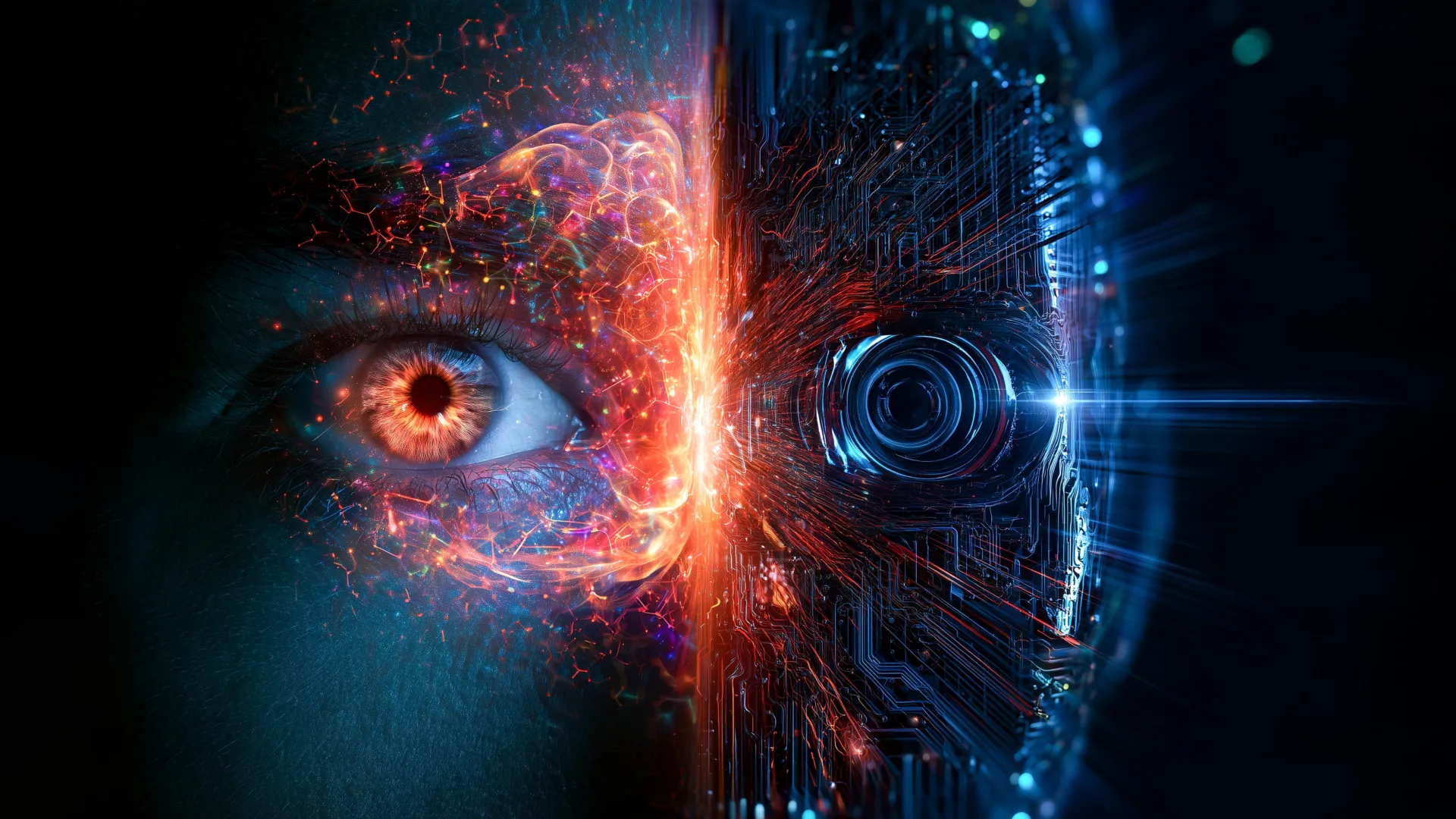
A new research review examines whether the fundamental differences between human intelligence and artificial intelligence stem from the brain’s chemical mechanisms rather than raw computing power. Dr. Gerard Marx and Professor Chaim Gilon have proposed a theoretical framework suggesting that biological memory involves far more complex processes than current AI systems can replicate.
The researchers present the Tripartite Mechanism of Memory, which posits that memory formation involves interactions between neurons, astrocytes, and the molecular substances surrounding brain cells. According to this model, the brain encodes and retrieves information through chemical processes alongside electrical signals between neurons. Astrocytes, abundant throughout the brain tissue, are proposed to play a critical role in processing cognitive information through their relationships with neurons and the extracellular environment.
A key aspect of the theory is the connection between memory and emotion. The researchers contend that biological memories carry emotional significance encoded through neurotransmitters and other chemical messengers. This biochemical link between memory and emotional experience may be central to understanding how consciousness arises in living organisms.
The implications for artificial intelligence are substantial. While computers and biological brains both store and retrieve information, the physical mechanisms differ fundamentally. Computer memory exists as electronic data in hardware, whereas biological memory depends on the intricate cellular and chemical machinery of living tissue. The researchers question whether increased computational complexity alone could produce consciousness comparable to that of a living brain, arguing that electronic systems lack the biological structures necessary for experiencing the kind of consciousness found in organisms.
The authors acknowledge that their framework does not fully explain consciousness but suggest it provides a new avenue for investigating the physical processes underlying mental activity and thought formation.
Article Attribution | Read More at Article Source
Article summary produced by Claude AI