

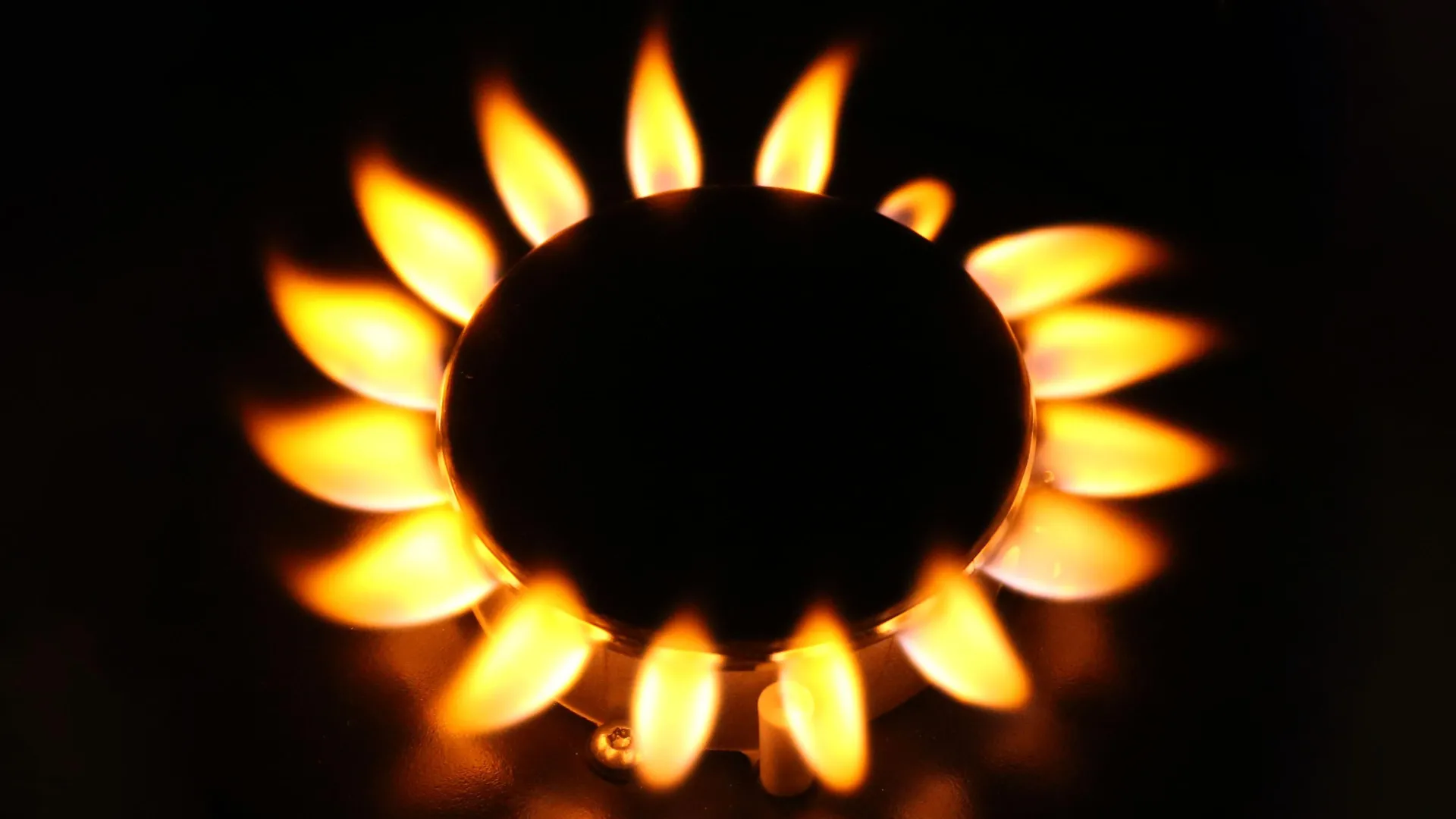
Scientists at Adelaide University have identified environmental sodium as a key factor determining the visibility of hydrogen flames, according to research published in Next Energy. The study reveals that hydrogen flames can display dramatically different appearances depending on atmospheric conditions, despite identical burner settings. Sea salt particles transported inland by wind represent a significant source of sodium in the air, and when these particles are present, hydrogen flames typically glow orange. Conversely, when sodium concentrations drop, the flames become difficult to detect, even though the burner continues operating normally.
Researchers conducted controlled laboratory experiments combined with outdoor testing around Adelaide to investigate these visibility variations. Over a two-week period, the team monitored light emissions from hydrogen flames while maintaining consistent burner settings. The results showed that the sodium-related light signal varied by more than 28 times between its lowest and highest values. Weather patterns played a significant role in these differences, with air masses that had passed over the ocean containing higher sodium levels and producing visibly brighter flames.
The study also compared hydrogen flames with those produced by conventional natural gas cooktops, finding that hydrogen flames emit less visible light on average. While hydrogen combustion can produce faint blue and red light, researchers determined these colors are most easily detected in dark conditions, making them unreliable visual indicators under typical household lighting. This presents a safety concern for appliances that depend on flame appearance to signal whether a burner is operating.
The findings suggest that engineers developing hydrogen appliances should not rely solely on flame visibility as an operational indicator. Instead, researchers recommend incorporating alternative detection technologies such as ultraviolet or infrared flame detectors and temperature sensors. According to lead researcher Professor Paul Medwell, understanding hydrogen’s specific properties is essential for creating safe and dependable household appliances. The collaborative research involved Adelaide University, the University of New South Wales, and Gas Infrastructure Research Australia, with funding from the Australian Government’s Cooperative Research Centres Program.
Article Attribution | Read More at Article Source
Article summary produced by Claude AI