
Scientists at the Helmholtz-Zentrum Dresden-Rossendorf are developing methods to eliminate per- and polyfluoroalkyl substances, commonly referred to as forever chemicals due to their resistance to natural degradation processes. The research focuses on two distinct technological approaches designed to break down these industrial compounds before they contaminate water supplies.
The first method employs hydrodynamic cavitation, which works by forcing contaminated water through a narrow opening to create tiny vapor bubbles. As pressure increases downstream, these bubbles collapse violently, generating localized temperatures reaching several thousand degrees Celsius and producing highly reactive hydroxyl radicals. Initial trials on perfluorooctane sulfonate demonstrated degradation of approximately 37 percent of dissolved PFAS molecules while releasing fluoride from the original chemical structure. Researchers aim to improve this process to achieve degradation rates exceeding 80 percent while mineralizing more than half of the bound fluorine.
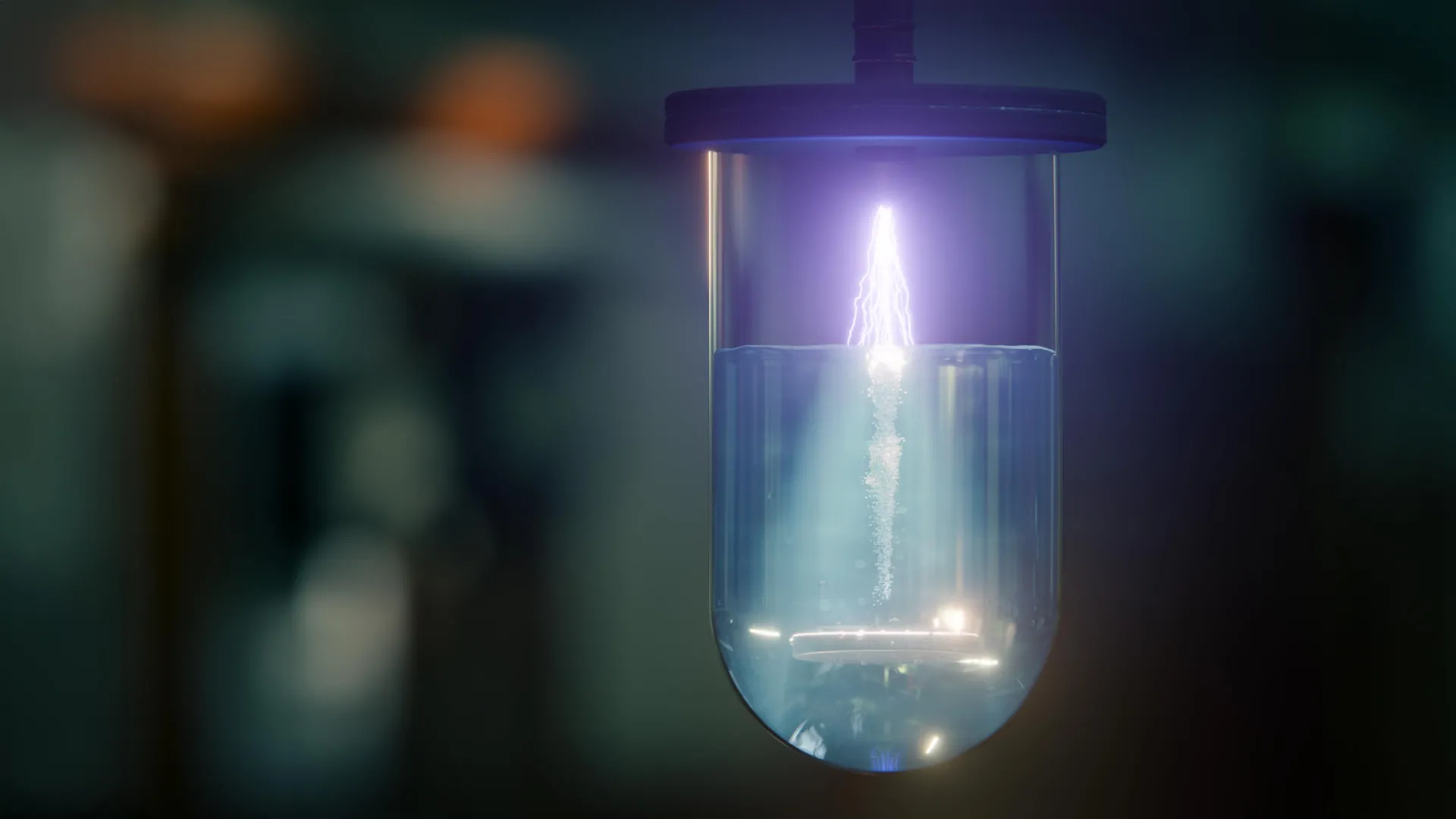
The second approach combines cold atmospheric plasma with gas dispersion, operating without catalysts or additional chemicals. This method showed faster results, nearly completely degrading both long-chain and short-chain PFAS variants while releasing about 35 percent of their bound fluorine atoms as salts. However, the plasma treatment consumes significantly more energy per unit volume and generates numerous chemical byproducts requiring further investigation for potential health risks.
These technologies address a critical environmental concern, as PFAS have spread globally through wastewater and been detected at elevated concentrations in water systems such as the Elbe River. Given suspected links to genetic damage and cancer risk, removal represents an important goal within Germany’s National Water Strategy. Researchers plan to scale the plasma system upward and are exploring a combined approach that would merge the reactive properties of plasma with cavitation effects, potentially creating a more efficient treatment system for contaminated water.
Article Attribution | Read More at Article Source
Article summary produced by Claude AI